Why Every Monday Matters | Armonk NY Real Estate
Leave a reply

Do you want to learn Facebook tips to connect with customers in an immediate and personal way? By using the right social media tools, small business owners can have a professional online presence that attracts and retains customers. Here’s are the best Facebook tips to create an amazing Facebook Page for your business.
How to Set-up Your Facebook Account
Whether you’re a newbie to Facebook or just need a refresher, here’s a few handy guides to get you started on the right track.
- A Simple Guide to Understanding Basic Features | Search Engine Island
- How to Create a Facebook Profile | All Facebook
- 10 step video guide to getting started | Butterscotch
How to Set-up Your Facebook Page
If you’re running a business you should set up a Facebook page. Here’s a few guides to help you set-up a compelling and fully branded page.
- The Ultimate Guide to Facebook Pages | Interactive Insights Group
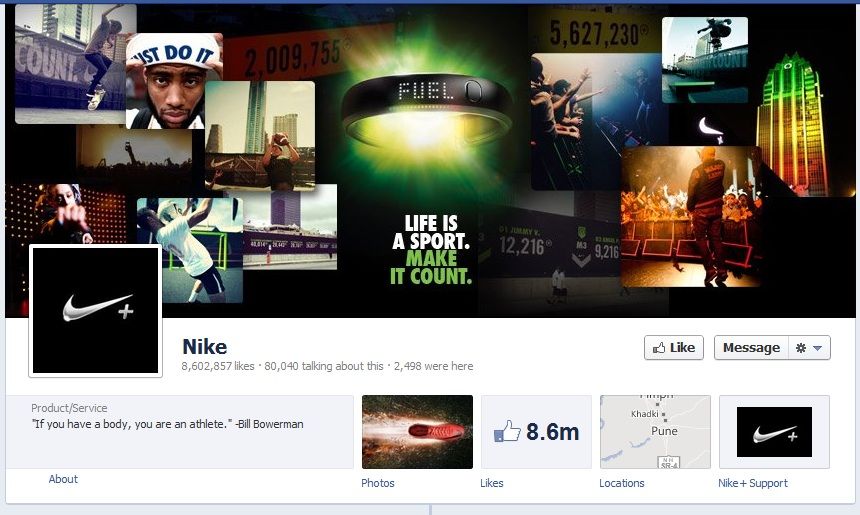
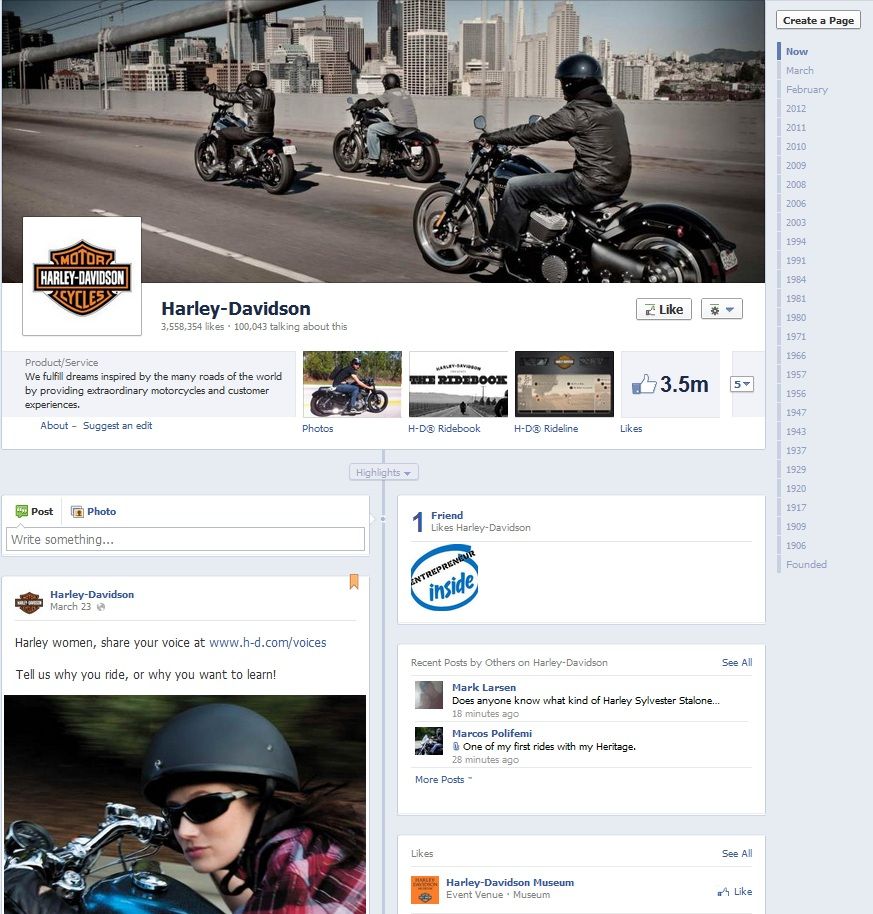
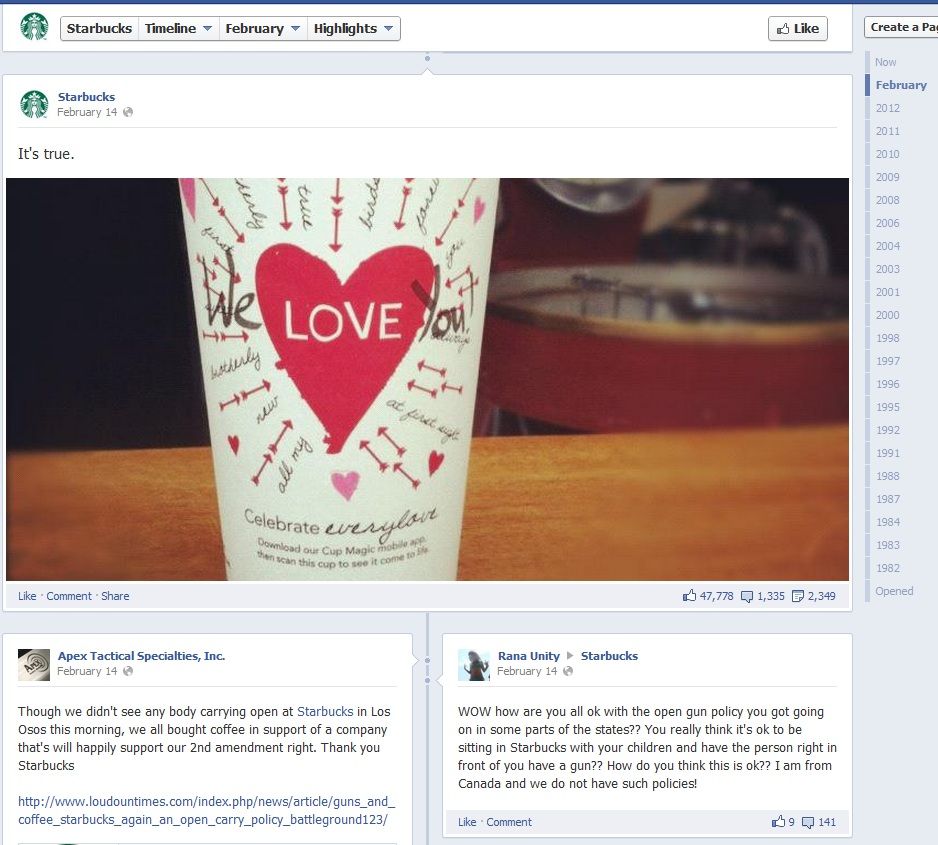
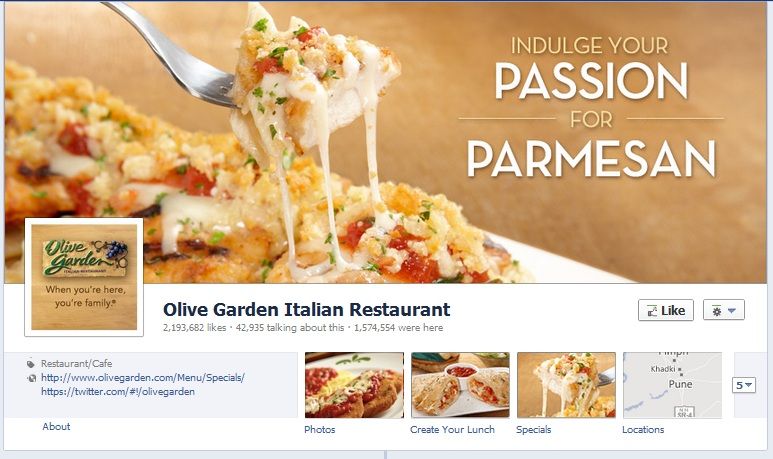
- 20 Examples of Great Facebook Pages | Hubspot
- How to Set Up a Facebook Page | Open Forum
- How to Build the Perfect Facebook Fan Page | Techipedia
- How To Set Up The Vanity URL For Your Fan Page | Cruel To Be Kind
How to Set-up Facebook Timeline
Timeline is significantly different than any upgrade to Facebook before. Consider it a digital scrapbook that documents your entire life. Here’s everything you need to know about Facebook Timeline.
- How to Enable Timeline Right This Second | TechCrunch
- 12 Things You Should Know About Facebook Timeline | PC Mag
- Facebook Timeline: The Complete Guide | Mashable
- Facebook Timeline: A Getting Started Guide | PC World
- Your Complete Guide to Facebook Timeline | CNET
- The Complete Guide to Facebook Timeline Pages | All Facebook
- New To Facebook Timeline? Everything You Need To Know | The Next Web
- The Complete Guide to Setting Up Facebook Timeline | Hubspot
How to Get People to “Like” Your Page
Fans don’t magically appear on your Facebook – people must be enticed to “like” it. Check out these strategies to help you increase your traffic.
- 21 Creative Ways To Increase Your Facebook Fanbase | Social Media Examiner
- How to Get People to LIKE You | Momeo Magazine
- How to Get More Likes For Your Facebook Page | Dave Charest
- 10 simple ways to grow your Facebook Page | Memeburn
- Big brands pimping Facebook “Likes” | Whats Next Blog
- Why I Don’t Like Your Brand on Facebook | Brian Solis
- Why Customers Like Your Facebook Page | Soshable
How to Add Tags
First you were able to tag people in photos, now you can tag them in posts. Here’s a walkthrough on how this new feature works.
- How to Tag in Facebook Posts | About.com Social Media
- How to use Facebook’s @Mention for Tagging | Mashable
How to Use Facebook Groups
What’s the difference between Facebook Pages and Facebook Groups? Check out these articles and see how you can use both for your business.
- Facebook Groups vs. Facebook Pages – Which Is Best? | Mari Smith
- New Facebook Groups Could Be Big for Business | Duct Tape Marketing
- A Guide to Facebook Groups | FlipTop
- Your Guide to Facebook Groups | Intranet Future
How to Use Facebook Events
Want to organize an Event on Facebook? Here’s everything you need to know about running a successful Event.
- How to Organize an Event on Facebook | Mashable
- Creating the Perfect Facebook Event — Part One | Social Media Today
- Creating the perfect Facebook event — Part Two | Social Media Today
- Six Ways To Effectively Promote Events on Facebook | Mari Smith
- Facebook Lets Users Check In to Events | Inside Facebook
- 10 Facebook Events Gone Wrong | Event Manager Blog
How to use Facebook for Business
Many businesses and marketers have a Facebook page, but don’t know where to start. These guides will help you achieve measurable results from your social marketing efforts.
- Facebook 101 for Business: Your Complete Guide | Social Media Examiner
- 32 ways to use Facebook for Business | GigaOm
- 11 Mind-Blowing Reasons Your Company Needs Facebook | Convince and Convert
- Top 10 Reasons You Should Have a Fan Page | Kimgarst
- R.I.P. 3 Ways Facebook is Killing Your Website | Convince and Convert
- Facebook for small business the ins and outs | SMB Trendwire
- Facebook for business the super guide | Interactive Insight Group
- Create visibility for your business on Facebook | Articles Base
- 12 Ways to use facebook professionally | Web Worker Daily
- How to use Facebook for professional networking | Mashable
Using Facebook to Engage With Customers
The key to great customer service is the speed and quality of your response. These guides will help you respond to customers quickly and transparently.
- Managing customer service through Facebook | Ecommerce Guide
- Using Facebook for customer service | Magnetic Brand
- Marketing Your Business with Facebook | New York Times
- Manage Customer Service Through Facebook | Entrepreneur
- Reduce Customer Service Expensives Using Facebook | Open Forum
How to Use Facebook Applications
Want to have an amazing looking Facebook page? Get the latest on Facebook applications and accomplish more with your business.
- How to build Facebook Apps | Digital Web
- FBML tags directory | Wiki Developers
- Facebook Apps ebook | Diesel eBooks
- 30 Apps for doing business on Facebook | Mashable
- Write a Facebook application in 10 minutes | Gathadams
- How to distribute your App | Blog W3I
- Create a Facebook App using a template | Wiki Zembly
- How to sell your App | Inside Facebook
- Building your first App | Adobe
Author: Alex Hisaka Alex Hisaka on the Web Alex Hisaka on Twitter Alex Hisaka on LinkedIn Alex Hisaka RSS Feed
Alex Hisaka works in marketing at Desk.com. You can find her on Twitter at twitter.com/alexhisaka… View full profile
The problem is finding a vector that pays for itself as you scale.
We see a problem and we think we’ve “solved” it, but if there isn’t a scalable go-to-market business approach behind the solution, it’s not going to work.
This is where engineers and other problem solvers so often get stuck. Industries and organizations and systems aren’t broken because no one knows how to solve their problem. They’re broken because the difficult part is finding a scalable, profitable way to market and sell the solution.
Take textbooks, for example. The challenge here isn’t that you and I can’t come up with a far better, cheaper, faster and more fair way to produce and sell and use textbooks. The problem is that the people who have to approve, review and purchase textbooks are difficult to reach, time-consuming to educate and expensive to sell.
Or consider solar lanterns as a replacement for kerosene. They are safer, cheaper and far healthier. But that’s not the problem. The problem is building a marketing and distribution network that permits you to rapidly educate a billion people as to why they want to buy one at a price that would permit you to make them in quantity.
Sure, you need a solution to the problem. But mostly what you need is a self-funding method to scale your solution, a way of interacting with the market that gains in strength over time so you can start small and get big, solving the problem as you go.

If you have been paying even the slightest attention to the blogosphere lately, you would have noticed that it’s abuzz with talk about the new Facebook fan pages. And there is a reason behind it—the Facebook fan page’s new timeline view is a drastic change from the old fan pages we are used to seeing. These changes came into effect from March 30th.
The changes are far-reaching, and are pushing people out of their comfort zones. Since most bloggers have active fan pages that they use for attracting new readers and for making sales, they have started panicking. However, like any change, you can view this as an opportunity instead of seeing it as a problem.
The new fan pages don’t allow you to use many of the tactics that you might be used to. However, these changes do open up many new possibilities as well. Here are a few things you can do to effectively use the new timeline-based Facebook fan pages to your advantage.
1. Pin announcements or sales pitches
Previously, there was no way you could highlight a post on Facebook. Even if it was an important post, say about an upcoming launch, it would get buried under newer posts. How can a post have the desired impact if it is not even seen by your visitors?
This is a problem from the past, friends! Now, you can “pin” a post, and when you do this, it stays as the first post on you fan page. In blogging terms, you can say it’s a “sticky” post!
This is huge. Finally, you have the freedom to make people see your most important messages, without making them land on custom tabs (which is not possible any more, by the way).
2. Star important posts
There is one more way to highlight posts that need special attention: you can “star” any of the posts on your fan pages.
Doing this makes the post span both the columns of the timeline view, making it quite distinguishable from other posts. Whenever a visitor is scrolling through your fan page, he or she is bound to stop and pay attention to a starred post because of its double width.
This feature can be used to highlight content that doesn’t need immediate attention, but is important nonetheless. For example, if you have a post about contest winners, or about you being mentioned in mainstream media, you can “star” such posts to give them prominence.
3. Use the cover image effectively
Now, you get a huge amount of space—851px by 315px to be precise—to play with for the cover image. The new timeline view has introduced a cover image which appears as the first thing on your fan page. And due to its massive size, it will draw your visitors’ attention as soon as they land on your Facebook fan page.
Before you start getting ideas, let me tell you that this space cannot be used for any marketing messages—you can’t ask people to buy something or to like your fan page, you can’t use it to offer any pricing or discount details, you can’t have your contact details displayed there, etc.
In spite of these restrictions, you can use this space quite effectively. It can be used to brand yourself and your blog—the image you use here can convey a positive message about your blog to your visitors. In fact, you can even use a text-based image here as long as it is not promotional text. You can also include pictures of your products in this space.
4. Using custom tabs to channel visitors
Just below the cover image are small, square images called custom tabs. These are links to your applications. The first one is always a link to your photos, but the others can be customized.
This feature can be used quite effectively. For example, you can have a custom tab pointing to one of your products, and the image for the tab can contain a quick, attention-grabbing call to action.
You can have up to 12 of these custom tabs. Excluding the one for the photos, you have 11 opportunities to channel your visitors to important applications or sub-pages of your fan page.
5. Utilizing the profile photo
The profile photo, which used to be up to 180px by 540px in size, is now reduced to a mere 125px by 125px. However, this photo doesn’t come with any restrictions like that for the cover photo, so it can be utilized in creative ways.
Of course, you can have your picture or your logo as the profile photo of your fan page. In fact, most people would have this type of a setup. But now,you can play with the profile picture and the cover image to create some cool effects.
An aggressive tactic: If you want, you could create a profile image with the text “Like Us”, and an arrow pointing to the Like button. This is not something you can do with the cover photo, but it might help to boost your Likes.
6. Effectively using the new messaging system
The new fan pages now come with a messaging system—anyone who has liked your page can now send messages directly to you! (Please note that the message has to be initiated by the user—you cannot send a message to a fan unless he or she has messaged you first).
Again, this is a massive change, and one you can use to your advantage. You can use this feature for problem resolution—your fans can write to you privately (maybe with sensitive details like their order number), and you can provide personalized query resolution and support.
Of course, if you have a ton of fans, this won’t be feasible for you. But if you are just starting out and have only a few fans, this can be a big image booster and might earn you a lot of praise!
7. Using milestones to your advantage
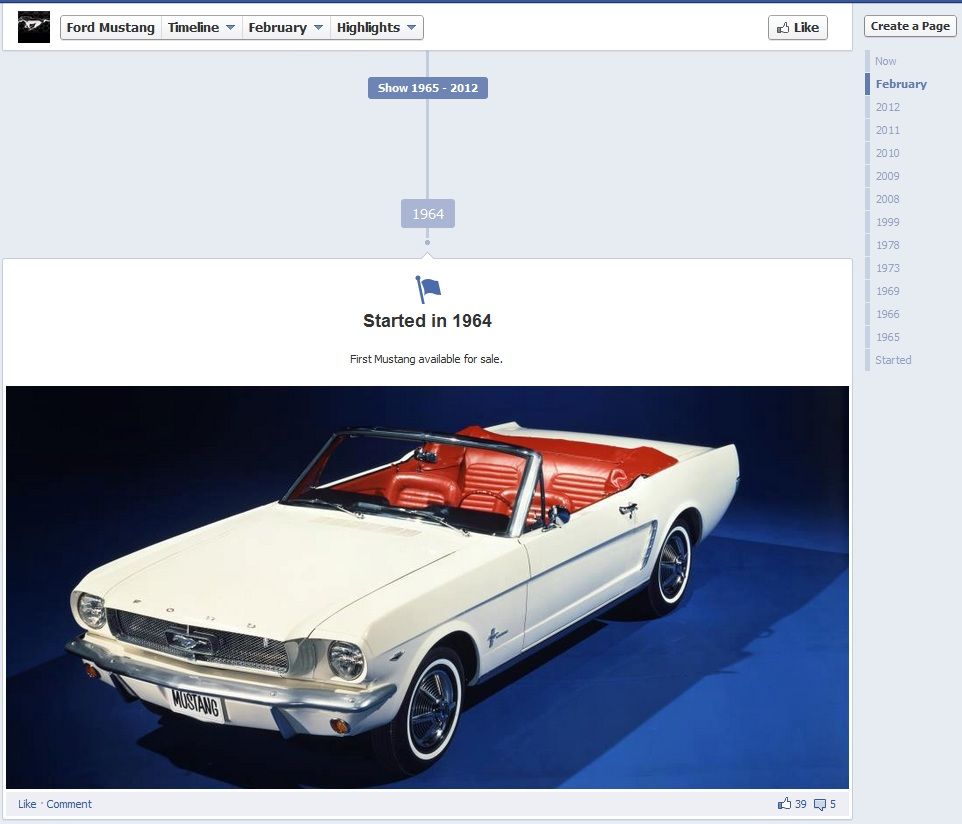
Facebook now lets you create milestones on your fan pages. Milestones are the events or dates that are important for your page. The best part about milestones is that you can post milestones from the past, with dates from any time since the year 1000!
You can use this to let people know more about your blog or business—when it started, when it achieved some critical milestones, etc. Knowing these things may inspire more trust in your visitors, and could result in a few additional fans.
8. Checking out your competition
This is a neat trick that not many people know about. In fact, I myself discovered it by accident!
When you visit a fan page and you see a box with the number of Likes in it, click on it. What do you see? You see the analytics data (or “insights” in Facebook terms) about that fan page. Some of the things that you can see are:
- how many people are taking about the fan page
- the trends regarding new likes and number of people talking about the page
- most popular week, city and age group for that fan page.
This is really cool! Till now, you could see the analytics for your own fan page. But now, you can also see the highlights of the analytics of other fan pages. This is a great opportunity—you can take a look at the data of your competitors, and use it to your advantage.
How are you using your new Facebook fan page?
How are you using the new features of the Facebook fan page to build your blog’s following both on Facebook and on your blog itself? Share your tips with us in the comments.
Raag Vamdatt runs multiple blogs, and writes from his experiences at The WordPress How To Blog. He also offers a free step-by-step course titled “Make Money Blogging” that guides about starting a blog and making money from it.
“If we are not careful, we could lose the farm and the food system on our watch.” That drastic warning came from A.G. Kawamura in 2005, when he was secretary of the California Department of Food and Agriculture.
Kawamura was not only alluding to how important forward-thinking policy is to the food system, but also to the fact that people who grow food for a living are becoming a dying breed. Already, agriculture is greatly diminished in terms of economic measures: it represents just 1.2 percent of U.S. Gross Domestic Product; services make up 77 percent and manufacturing 22 percent of GDP. It’s becoming a forgotten career path as well.
Principal farm operators over age 65 now outnumber those under 35 by a ratio of more than seven to one. Over the next 20 years, 400 million acres of agricultural lands—an area roughly five times the size of all our national parks combined—will be transferred to new owners. But who will be those new owners? Youth continue to migrate out from the corn-rich “heartland” and leave agriculture altogether. Many interested younger Americans simply can’t afford the costs of entry into farming. Others won’t accept the economic instability of the job. Meanwhile, each year the United States edges toward becoming a net importer of foods; already we import more than $80 billion in agricultural products each year. (See “U.S. Food Trade on the Rise” in the Image Gallery.)
In short, we don’t have enough people becoming farmers, and we’re starting to import food to fill the gap. And yet few people are debating our flagging national food security with the fervor expressed about oil imports or manufacturing jobs shipped overseas.
Unlike most of my neighbors, I keep chickens and unlike the flocks of the large operators who supply the local markets, my free range chickens roam unconfined. They pick up much of their own living, cost me little in time or money, and produce yellower yolked eggs and more succulent meat than I could hope to harvest from fowl reared in wire cages. Best of all, other folks seem to appreciate that kind of good eating as much as I do and I find a ready market for my homegrown poultry products.
Raising Free Range Chickens
I have a list of regular customers who buy my eggs and chickens year round, at premium prices. These are choosy people who don’t want to eat the products of commercial flocks raised on chemically treated food. In fact, they pay me not to feed such rations. Some even claim that they’d recognize my wares anywhere! Satisfied buyers refer their friends to me, and I seldom have more meat or eggs than I can sell but if there are any extra layings, my neighbors are glad to purchase them at my usual price (between 50 cents and 60 cents a dozen).
Some of the chickens I sell are unneeded roosters, which I offer from fryer weight on up either live or dressed, as the customer prefers, at $I.00 to $1.50 per bird depending on its size. Others are my less productive laying hens, which I cull about once a year. Any extra culls or roosters go into the freezer for home use or later sale.
Most of my buyers place orders regularly, or phone in their requests ahead of time. Since I don’t make deliveries, the customer comes to my home and I have the package waiting when he or she arrives.
Neighbors are like apple cider. When you first move in, they’re nice and sweet. That’s because they will want to borrow something someday, or ask you to take in the mail when they go on vacation, or baby sit in a pinch. They act friendly but they are really just checking you out.
After a while neighbors get fizzy and sour like cider that’s turned. I mean, was it my fault the dog preferred their lawn to ours? And how was I to know that their kids were allergic to the poison ivy? We just grew a little bit to keep trespassers away and it worked pretty well.
I speak of my neighbors in the past tense because we don’t have them anymore. Most every house in walking distance is empty and has been for months. They’ve all been foreclosed. The families piled their belongings in U-Hauls and tearfully said good bye. Looks like they’ll stay empty for some time since it takes an average of 18 months to process a foreclosure in our state. For Pete’s sake, they built the Empire State Building in 18 months in the middle of the Depression.
Some wiseacre news person decided our neighborhood, Mirage Manor, was the worst in the region for foreclosures and then some big deal web site made us the reddest of all the red areas on its national heat map of foreclosure disaster areas. Wasn’t long before news reporters came around to cover what one of them called the “Chernobyl of American real estate.” The worst was a young radio reporter who breathlessly described everything she saw into her microphone. She made our neighborhood sound like Berlin after World War II, complete with graffiti, boarded up doorways, broken windows and waist-high weeds. She called our home “ground zero in the foreclosure plague” and “an island of homeownership in a landscape of tears.” I mean, really.
So when she knocked at the door, my wife Felicity invited her in for coffee, and she proceeded to stick a microphone in Felicity’s face.
“Mrs. Guthrie, tell me what your neighbors were like?”
“It’s very sad,” she said. “I miss so many of them. I used to baby sit for the Johnsons next door and we all looked out for each other the way neighbors do, you know.”
“And it’s such a pity that now that they are renters they won’t get their mortgage interest deductions next year.” I chimed in.
The radio reporter looked a little annoyed and turned her mike at me. “Mr. Guthrie, what’s it like having no neighbors?”
“Well, like everything else in life, it has its plusses and minuses,” I began. “It’s sure a lot quieter and now I can always park in front of the house, so I took down my “Anthrax Quarantine!! Park at Your Own Risk” sign. People don’t bother with our neighborhood any more. They don’t come to the door to pray for us and ask us to join their church. We save money on Halloween candy. And I haven’t run over a tricycle in months. Minuses? Well, I guess the biggest thing I miss is not having anyone to borrow tools from, which is actually not such a big deal. All our ex-neighbors left in such a hurry that I guess I forgot to return a bunch of stuff. I’m pretty well stocked for the duration.”
She decided to give me another chance to say something she could use. “Mr. Guthrie, perhaps you can tell us why you think you and your wife are the only homeowners to survive in this neighborhood?”
“Sure, that’s easy. You see, we’re both expert homeowners.”
The reporter looked amused. “Expert homeowners? What makes you an expert?”
“Well, for one thing, at this point our mortgage guy-his name is Earnest S. Crowe-knows he’d lose big time if he even thought about foreclosing on us. And we know that he knows what we know. See, we’re deeper underwater than the Titanic because we refinanced every chance we could in the good old days. When values sank, our lender ended up with all the risk. Homes in Mirage Manor are pretty much worthless. I mean, who wants to live in a place they call the Chernobyl of American real estate? If they were to foreclose on us, they would just add to their losses. Nor would it make any sense to make an example of us. There’s no one left around here who would notice. That’s how an expert homeowner would analyze the situation,” I said.
“What Homer forgot to mention is that the real reason we still own our home is that we pay the mortgage on time,” said Felicity. I frowned.
“I see,” said the reporter, who decided she’d had enough of us.
She only used a little bit of the interview, what Felicity said about our neighbors. Which is probably just as well. I’m hoping that I won’t have to give back the tools I borrowed.