Monthly Archives: November 2013

Lending standards hold firm despite softer demand | Pound Ridge Real Estate

Despite rising interest rates and softer demand for mortgages, most banks have maintained their existing lending standards in residential loans in recent months. Per The Wall Street Journal:

Nearly 80% of banks said their credit standards for mortgages remained basically unchanged from July through September, according to a quarterly Fed survey of bank loan officers released Monday. Only about 15% of banks said their standards for mortgages have eased somewhat.

“Easier credit conditions, more generally, are helping the economic recovery,” said Erik Johnson, senior U.S. economist at IHS Global Insight. “But what’s concerning is that lending standards for residential mortgages have not improved much since tightening dramatically during the crisis.”

Source: WSJ

Ten of the Tiniest Apartments For Sale in New York City | Armonk Real Estate

While we all wait with baited breath for the city-sanctioned micro units to hit the market some time in 2015, there are already plenty of apartments throughout the city worth noting for their extreme smallness. We’ve looked at a number of them before, some impressive, some less so. Just for kicks, let’s take a peek at ten of the smallest apartments for sale in the city right now (based off apartments on Streeteasy that list square footage), starting with this 275-square-foot studio on Macon Street in Bed-Stuy, asking $143,850. All cash required.

This For Sale By Owner in Soho, also 275-square-feet, is asking $295,000, or just over $1,000 per square foot. Good news: it has a bathroom. Bad news: the wall separating the bathroom from the kitchen is about three feet high.

On the Upper East Side, this 300-square-footer has been on the market for almost three years and just upped its price to $750,000 ($2,500 per square foot). The shower appears to basically be a walled-off corner.

40190478.jpg

Originally listed for $199,000 in October of 2011, this 300-square-foot studio in Murray Hill is down to $145,000, less because of the size than because it comes with a rent-stabilized tenant in place.

This 300-square-foot studio in Yorkville is essentially a short hallway with a bathroom and a kitchen, but props to the brokers for the excellent and un-deceptive photography. It’s asking $279,000.

Someone paid $329,000 for this 300-square-foot pad in Lincoln Square in 2011, and decided they wanted out less than two years later. The price was chopped for the second time last month, down to $324,700.


http://ny.curbed.com/archives/2013/11/05/ten_of_the_tiniest_apartments_for_sale_in_new_york_city.php


More than 44,000 agents buying ads on Zillow, up 68 percent from year ago | Chappaqua Real Estate

The number of agents paying to promote themselves on Zillow grew 68 percent from a year ago, to 44,749, the company said in reporting third quarter results today. But average monthly revenue per subscriber was essentially flat at $264, compared to $270 during the same quarter last year.

Zillow reported record revenue ($53.3 million), new subscribers (5,942) and average monthly unique visitors (61.1 million) for the quarter, but reported a net loss of $1.2 million on increased advertising expenses.

Revenue for the quarter was up 67 percent from a year ago, with advertising by real estate agents accounting for the lion’s share of revenue ($35.1 million).

“The third quarter was another extremely strong one for Zillow, as we exceeded our outlook and delivered record results,” said Zillow CEO Spencer Rascoff in a statement. “We made significant progress toward our priorities to grow audience, grow our Premier Agent business and grow our emerging marketplaces.”

Zillow announced an initiative this year to boost the company’s brand with enhanced spends in advertising on the Web and TV. The company hosted a housing discussion with President Barack Obama in August and a housing forum with Washington, D.C. heavyweights including Federal Housing Finance Agency director Edward DeMarco and Federal Housing Agency commissioner Carol Galante in October.

Zillow’s chief competitors, Trulia and realtor.com, reported third quarter revenue growth of 59 percent and 14 percent, respectively.


– See more at: http://www.inman.com/2013/11/05/zillow-reports-record-revenue-subscriber-count-and-web-traffic-in-q3/#sthash.OZtyelh4.dpuf

Schiliro Leads Arden In North Castle Supervisor Race | Armonk NY Real Estate

Councilman Michael Schiliro remains in the lead in the race for North Castle Supervisor as of 11:50 p.m.

Schiliro is leading Supervisor Howard Arden 56 percent to 44 percent with 90 percent of precincts reporting.

Republican Barbara DiGiacinto and Democrat Barry Reiter are pulling away in the race for town board, leading with 29 percent of the vote each. Incumbent Republican John Cronin trails with 22 percent of the vote and Democrat Jose Berra has 21 percent.

Arden, a Republican, was running for a second term as supervisor, is opposed by Schiliro, who has served three terms on the Town Board. Cronin was running for a second term on the board. Cronin campaigned with Diane Didonato-Roth, who was defeated in the Republican primary by DiGiancinto.

Berra and Reiter were running for the first time on the Democratic line.


http://armonk.dailyvoice.com/politics/schiliro-leads-arden-north-castle-supervisor-race


Chris Burdick Leads Bedford Town Supervisor Race | Bedford Corners Real Estate

Chris Burdick has the lead over Don Scott in the race for Bedford Town Supervisor, leading 55 percent to 45 percent with 88 percent of districts reporting, according to Board of Elections officials.

Burdick, a Democrat, has been on the Town Board since 2008, is the director of the Wetlands Control Commission, an officer on the Bedford Village Lions Club and a strong proponent of Bedford’s new filtration plant.

Scott, a Republican, has served as the president of the Kat-Lewisboro Board of Education, Wetlands commissioner for the Town of Bedford and was the fire commissioner for the Katonah Fire Department.


http://bedford.dailyvoice.com/politics/chris-burdick-leads-bedford-town-supervisor-race

Astorino Wins Second Term As Westchester County Executive | Bedford NY Real Estate

Incumbent Rob Astorino has won a second term as Westchester County Executive.

Astorino, a Republican, leads Democratic challenger Bramson 55 percent to 45 percent with 81 percent of precincts reporting.

“The people of Westchester have spoken today and I like what they said,” Astorino told his supporters at the Crowne Plaza in Westchester in a speech that began at 10:55 p.m.

Astorino’s victory for a second term capped an often contentious campaign that featured numerous verbal barbs.

Astorino thanked Bramson and also called New York City Mayor Elect Bill DiBlasio to congratulate him on his election.

“They say there are two New York’s,” Astorino said, “but there is just one Westchester. We have to focus on what brings us together.

“We have to find a balance between what we want and what we can afford. We have to get a grip on overspending and overtaxing.”

Astorino’s victory speech came moments after Bramson, the mayor of New Rochelle, conceded at the Westchester Hilton in Rye Town.

In other county-wide races, incumbent Tim Idoni holds a 53 percent to 47 percent lead over Mary Beth Murphy in the battle for county clerk with 81 percent of precincts reporting.

Democrat David Everett leads Republican Montgomery Delaney 60 percent to 40 percent in the race for County Court judge, also with 81 percent of precincts reporting.


http://whiteplains.dailyvoice.com/politics/astorino-wins-second-term-westchester-county-executive

More purchase originations mean more mortgage fraud | Bedford Corners Real Estate

Market participants are fully aware of the beating refinance volumes are currently taking as the majority of mega banks continue to cut jobs by the thousands.

For those who believe the drop in refi volumes is all but a small small bump in the road on the way through a housing recovery, you’ve got another thing coming.

Economists at the Mortgage Bankers Association last week popped that bubble after announcing their predictions for refis to drop to $463 million in 2014.

Purchase originations are expected to rise from only $661 billion to $723 billion, according to MBA data.

If we take into account another two years, originations will modestly grow to $796 million in 2015 — that’s half of what they were during the housing heyday.

Everyone knows that the more originations in coming up years means more options for mortgage fraud risk. But how much will actually take place?

Interthinx created a specialized info graphic (feature below) for HousingWire to answer this very question.

The company revealed that purchases have a higher risk of fraud, with California, Florida and Illinois leading the way as the riskiest states.


http://www.housingwire.com/blogs/1-rewired/post/27812-infograph-more-purchase-originations-mean-more-mortgage-fraud


Restoration Rallies a 1790 Stone Springhouse | Bedford Hills Real Estate

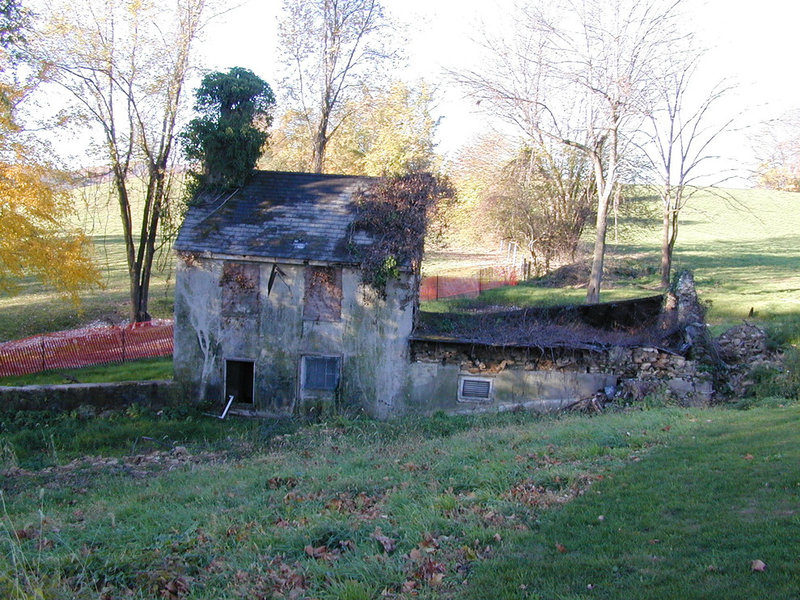
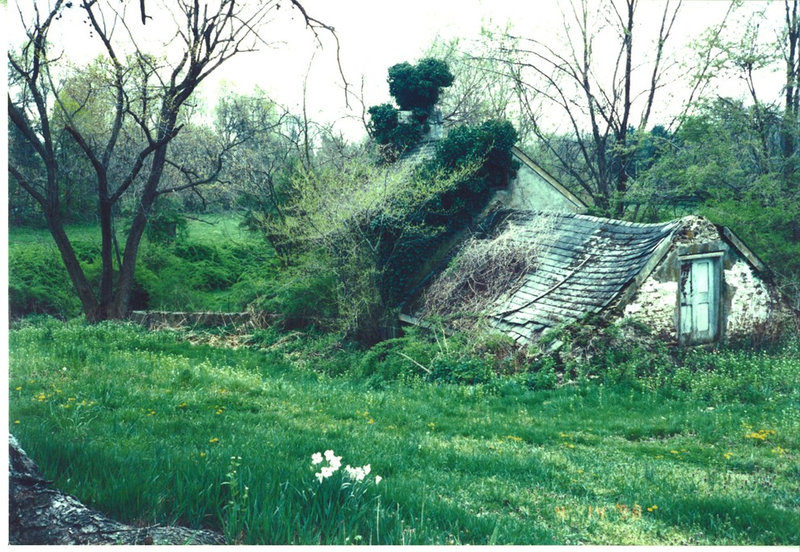
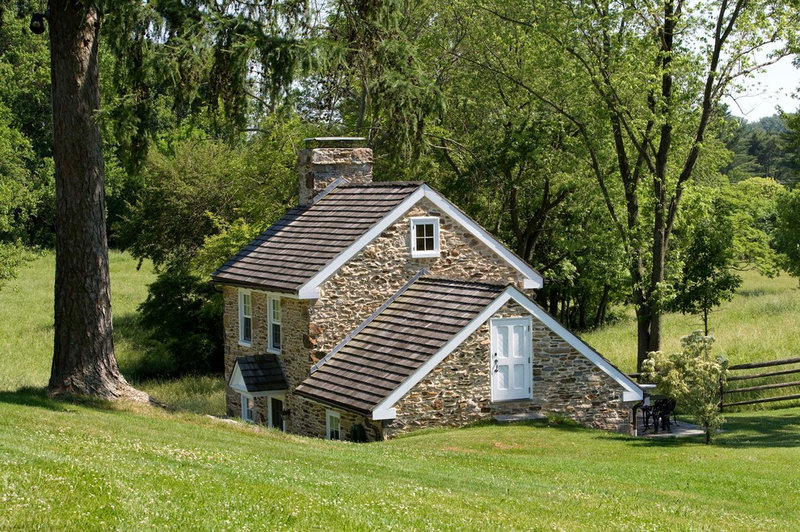
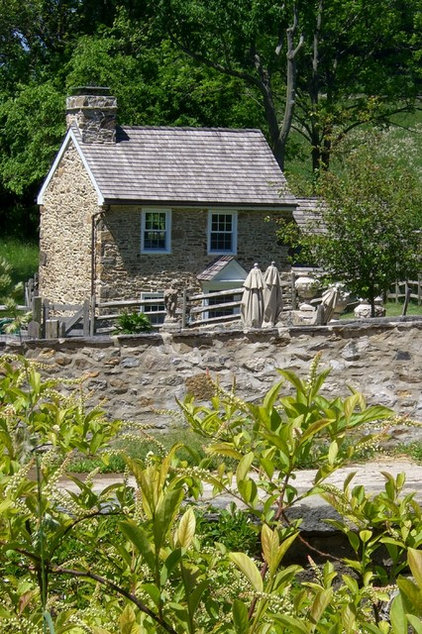
Preservationists, rejoice. This 18th-century springhouse once appeared dilapidated beyond repair, but it has been restored to its former glory, thanks to the homeowners, the architects at Peter Zimmerman Architects and the builders at Orion Construction. Chipping away at the stucco plastered over the original Pennsylvania fieldstone, they uncovered a gem that adds beauty to the pastoral property. Now the building serves many functions, including pool house, home office and guesthouse.
Houzz at a Glance Who lives here: This is an outbuilding for a couple with lots of grandchildren living nearby. Location: Villanova, Pennsylvania Size: About 900 square feet
Photography by Tom Crane Photography

Springhouses were small structures commonly built over a natural spring for food storage in the days before refrigerators. The spring kept the building’s temperature cool, which prevented dairy foods and meat from spoiling. Zimmerman believes this one was built around 1790.
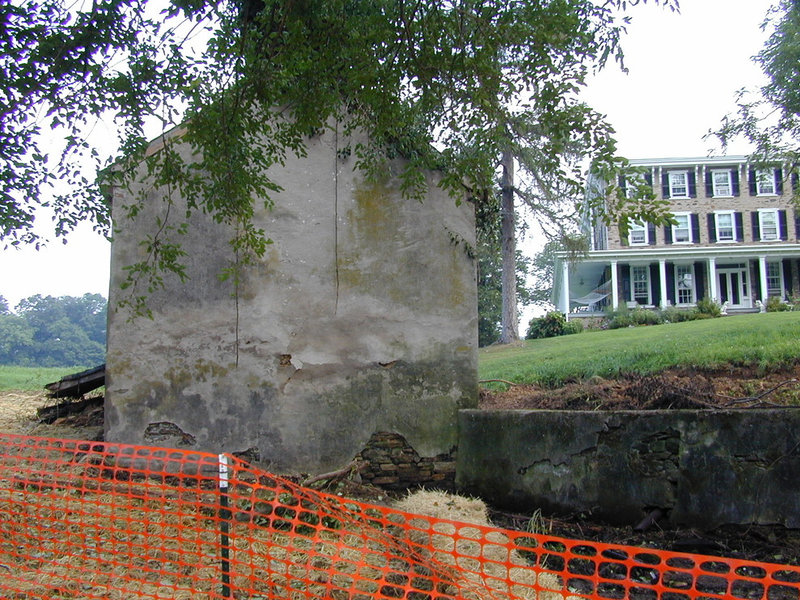
The actual springhouse portion of the structure was on the right; the larger portion on the left was likely inhabited by a tenant farmer. The springhouse portion’s roof was not watertight and had collapsed. Luckily, the roof on the left side had held, making it possible to preserve the beams and wood ceilings.
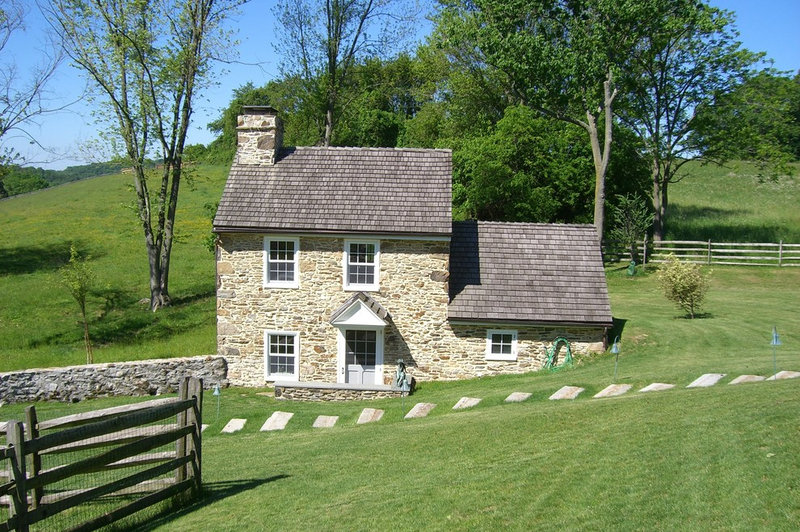
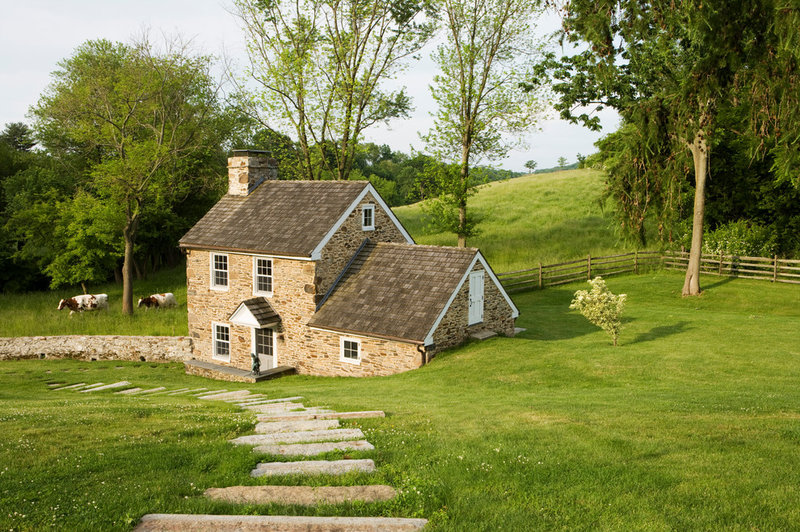
AFTER: Here is how the springhouse looks today. The spring under the section on the right still exists and feeds the stream and wetlands down the hill. New vapor barriers prevent any dampness or mold issues. The entire structure has a new cedar shingle roof.
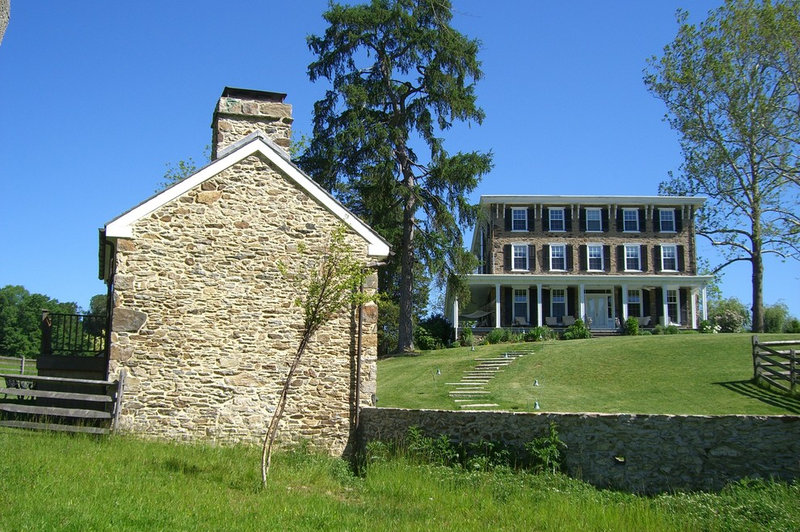
At the same time that they worked on the springhouse, workers graded the land for a new pool and a gentle pathway that connects to the main house higher up. The large stepping stones are salvaged curbs from West Chester, Pennsylvania.
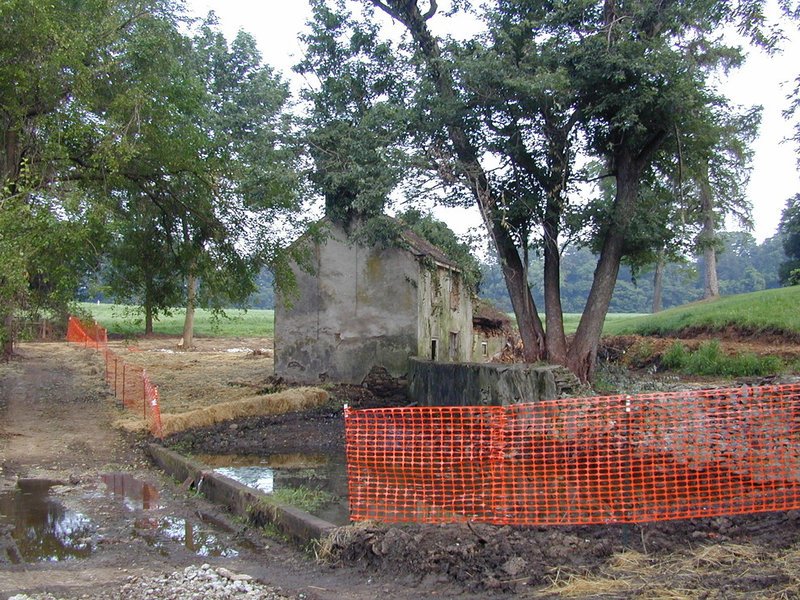
Taking out and regrading what remained of an old concrete watering hole for dairy cows was also part of the project. The new topography slows down the runoff water, which protects the stream and wetlands below from pollutants.
The stucco had to be removed with great care to preserve the fieldstone exterior’s original patina. Workers used pneumatic chippers to take it off, then carefully cleaned out the mortar, gave it a soft wash and applied new mortar.
AFTER: Architect Peter Zimmerman believes the springhouse predates the Italianate main house by 50 years or more. Now that the stucco is gone and the springhouse’s stone facade has been restored, the two buildings have a stronger relationship.
As you can see from this startling before photo, the property around the springhouse had extensive Pennsylvania fieldstone walls. Some portions were in need of repair, and some needed to be temporarily removed during construction and grading, then rebuilt. In addition, the team also built some new stone walls that fit in seamlessly with the originals.
AFTER: This portion of the system of stone walls is new. Zimmerman says there are four important aspects in matching a new stone wall to an antique one:

  • Matching the stone geologically. In this case all of the stone is local Pennsylvania fieldstone.
  • Copying the patterning of the stones. The walls here, original and new, are called random rubble stone walls.
  • Mimicking the style of mortar. A raked-back joint method with a brushed finish was used here.
  • Matching the color of the mortar. The team created a formula that mimicked the original mortar color.


http://www.houzz.com/ideabooks/19479149


How to Make the Most of Your Photos | Katonah NY Real Estate

The 2 million-plus stunning photos featured on Houzz manage to inspire, instruct and encourage all at once. The power of these photos for both professionals and homeowners is undeniable — but do you know how to take full advantage of it?
We spoke with five designers who’ve learned to harness the potential of photos on Houzz. Take a peek at their strategies — including choosing the right photo size, picking keywords and answering questions — to learn about what makes a photo popular and see how you can make the most out of your own photos on Houzz.
Related: How to Find a Designer or Architect Using Photos on Houzz

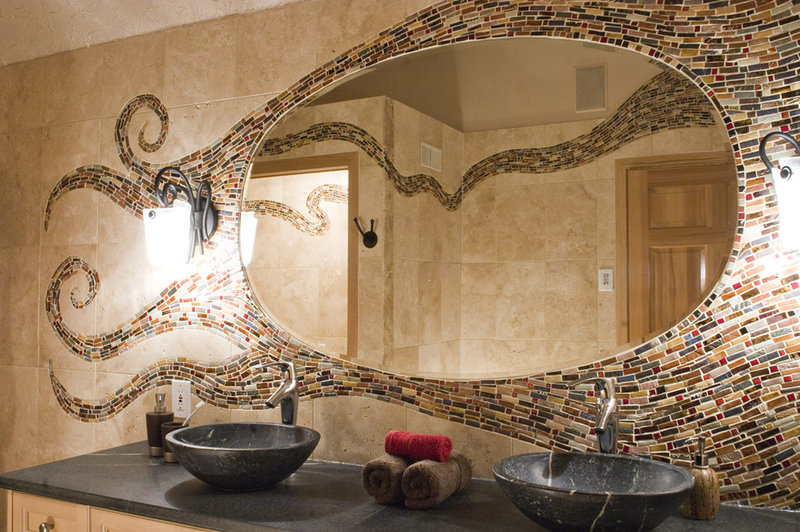
Quality. A photo’s quality has a huge impact on its visibility. “Everyone on the Houzz site makes or designs a visual product, so having really nice photos that show off a variety of work is key,” says Caitlin Walker of Mercury Mosaics. “You can create a beautiful design and have bad photos that don’t do it justice. Reward your hard work with good photos!”
Houzz always recommends uploading high-resolution photos taken by a professional photographer. Bigger is better: High-resolution photos with a minimum width of 1,000 pixels look best and will likely get many more views. And a professional photographer can make each image light, bright and fresh. (Don’t forget to credit the photographer in your photos.)
“It’s really taught me how critical it is to take proper and professional photos of projects,” says designer Jason Urrutia. “It’s an investment but well worth the cost. It’s another step of branding — it says that you mean business, you care about your project and that your design is to be taken seriously.”
Variety. Upload a diverse portfolio of work, from your most amazing projects to the simpler but still stylish spaces.  Include a variety of shots, from full room shots to details. Even open drawers and take photos of the insides! You’d be surprised how popular those photos are. Don’t underestimate the selling power of your simpler designs — sometimes those are the most inspiring for homeowners.
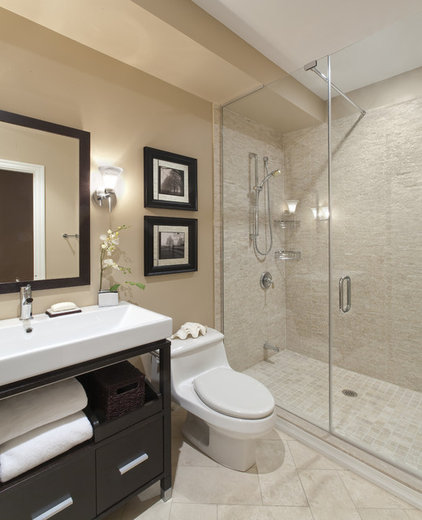
Style. Every year Houzz puts together a series of ideabooks that highlight the most popular photos of that year, according to how often they’ve been added to users’ ideabooks. And every year we spot certain consistencies in the most popular images: They’re chock-full of take-home ideas. Tracy Kundell found this to be true for the bathroom photo shown here — one of the most popular on the site, added to more than 255,000 ideabooks. “Almost everyone has a home with a bathtub that can be converted, such as this space,” she says. “More and more people prefer larger showers to shower-tub combinations. This layout is a very common builder layout, too.”
Work with your photographer to highlight your best work in beautiful photos that will show clients what you’ve got. Make sure your identity as a designer is coming through and that each photo doesn’t just look great, but shows potential clients how you can make their style shine through, too.
How Do Great Photos Pay Off?
The more popular a photo becomes on Houzz, the easier it is to find. Houzzers may see it in another Houzzer’s favorite photos, in a featured ideabook or on the Houzz homepage. How is this beneficial to pros? It’s more eyeballs on your work — homeowner eyeballs, to be exact. A great photo on Houzz can directly result in client referrals.
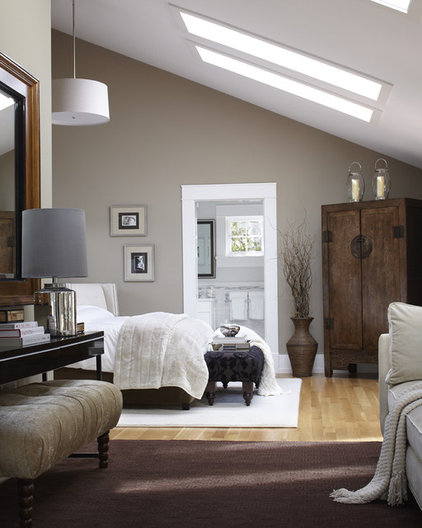
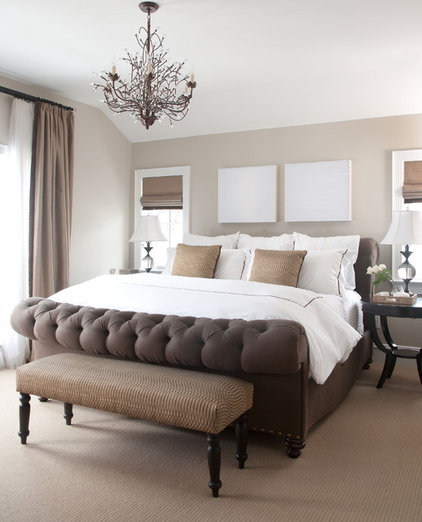
Architect John Mattingly found this to be true for the incredibly popular bedroom shown here, added to more than 200,000 ideabooks. Many designers and homeowners have contacted him about some of the room’s components or the entire project. He’s also sold a few furniture items that he custom designed for this particular home.
When Urrutia’s popular bedroom photo (the second photo above) was added to 180,000 ideabooks (and counting), interest in his business increased. “I’ve heard tons of comments from clients about this photo and this room in particular,” he says.

Mind-Boggling Former Real World House Asks $22M | Cross River Real Estate

Now this is a Tuesday Townhouse. It’s got a wacky history, quirky decor, and a sizable ask of $22 million—plus, it was the filming location for the tenth season of The Real World, after which the owner opened it up for other film and photo shoots and events. The space is divided into several units, according to the brokerbabble, including a triplex with a 40-foot atrium, a solarium, and a roof garden; a floor-through apartment and a separate studio below; and commercial space on the ground floor, with a “prohibition-style” speakeasy “well known in event circles and constantly rented.” And that’s just the present-day use of the space.