Tag Archives: Bedford Corners Luxury Homes

Bedford Corners Luxury Homes

Off-the-Grid Island Home | Bedford Corners Real Estate

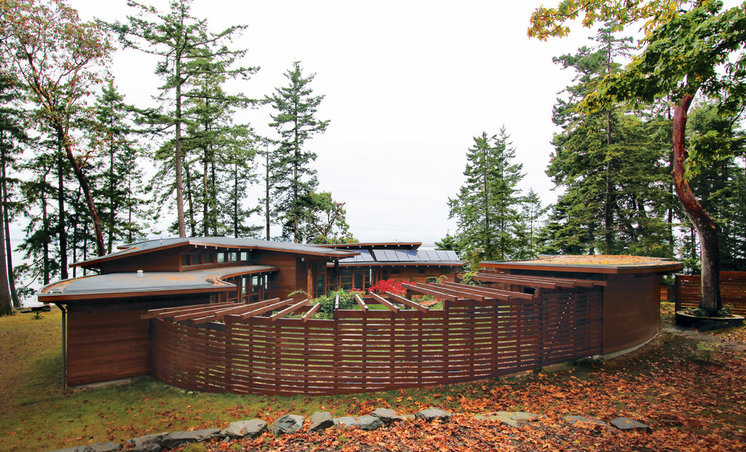
It was something like 25 degrees below zero one February in Winnipeg, Canada, when Holly McNally picked up the National Post newspaper and flipped to the travel section. A full-page story raved about Sidney Island, part of the Gulf Islands off the coast of Victoria and just south of Vancouver. Everything about it — the remoteness, the scenery — seemed to fit with Holly and her husband, Paul. “We got on a plane within days and went to check it out,” Holly says.

It was perfect for them, as well as their two Newfoundland dogs. So they snatched up a building lot and started designing an off-the-grid home with the help of Kim Smith, of Helliwell + Smith | Blue Sky Architecture. The result is a circular layout that captures views of the ocean while creating a sunny courtyard protected from the strong sea winds. It’s a place where Holly can finally garden (lacking this ability on the frozen clay prairies back home had frustrated her), and where Paul can build furniture in his woodshop. Plus, after retiring from the business they founded and ran, McNally Robinson Booksellers —one of the largest independent bookstores in Canada — they can finally kick back and enjoy a few good books. OK, a lot of good books.

The Employment Situation in December – Strong Finish to 2014 | Bedford Corners Real Estate

The Bureau of Labor Statistics (BLS) reported that payroll employment expanded by 252 thousand in December and the unemployment rate declined to 5.6 percent from 5.8 percent in November. Job gains in October and November were revised upward by a total of 50 thousand.

The employment gains in December brought the average monthly gain for 2014 to 246 thousand, up from 194 thousand in 2013. At 5.6 percent the unemployment rate is 1.1 percentage points below its December 2013 level and only slightly above what Federal Reserve policymakers consider normal (5.2 percent – 5.5 percent). One caveat is that the decline in the unemployment rate was dominated by labor force defections rather than job gains.

Other labor market measures were mixed for the month but better for the year. The labor force participation rate ticked down to 62.7 percent in December but has hovered between 62.7 percent and 62.9 percent since April. Average hourly earnings were down 5 cents for the month but up 1.7% for the year. The number of long term unemployed and part time workers were flat in December but down over the year.

These numbers represent steady progress in the labor market for the year. This progress will shift the focus at the Federal Reserve from labor market improvement to below target inflation (FOMC). Another implication is whether further declines in the unemployment rate will put upward pressure on earnings and/or improve conditions for long term unemployed and part time workers.


read more…


http://eyeonhousing.org/2015/01/the-employment-situation-in-december-strong-finish-to-2014/

Just How Much Rainwater Can You Collect Off Your Roof? | #BedfordCorners #RealEstate

When we watch the evening news, the weatherperson will oftentimes say things like “X city received an inch of rain today”, which does not really sound like all that much. We imagine a single inch of rain in a small puddle somewhere it seems rather insignificant. But what if you knew that a single inch of rain could allow you to collect hundreds and hundreds of gallons of water, if not more? Now that one inch of rainfall seems like a lot more!

Let’s take a look at a hypothetical example to see just how much water we can collect from rainfall. If you have 1,000 square feet of roof on your house, and it rains just 1 inch, you can collect 600 gallons of water to be used in your garden, for washing your car, or just for drop irrigation around your property. That’s 600 less gallons you have to pay for and use from your town water supply! So how can you do the math for your own roof? Just multiple the square footage of roof space you have available X 0.6 gallons per square foot per inch of rain, and you can see how much water you can collect from each inch of rain that falls.

So if you have 2,500 square feet of roof available for water catchment, and a single inch of rain falls one day, we see that:

2,500 X 0.6 = 1,500 gallons of water can be harvested for future use…from only one inch of rainfall!

On average, Americans use about 69 gallons of water per person per day for bathing, cooking, cleaning and flushing toilets – and is just for indoor water use and does not account for any watering/car washing going on outside. That amounts to about 2,100 gallons a month for each person – or only slightly more than you might be able to collect off your roof in a single rainstorm. Sure, you might not want to use that water for your showers or drinking water, but it can be done…and many people are putting cisterns in their yard and systems in their house to be able to do so. But if you are not interested in doing that and just wanted to use it outside, using a rain barrel or two under your downspouts can make a big difference in your monthly water usage and bill. Let’s take a look at one more example to see how much of a difference collecting rainwater can make – If you live in Boston, Massachusetts, which gets an average of 42.53 inches of rain per year, and you live in a house with 1,000 square feet of roof space…

1,000 X 0.6 X 42.53 = 25,518 gallons of water collected each year in Boston, MA.

That’s a lot of water that you can save (and money!) by hooking up and using rainwater catchment systems at your house. It’s a big return for a very small investment, and I bet you will hear something different the next time the weatherperson says “X city received an inch of rain today”!

Progress Toward Normal | Bedford Corners Real Estate


The economy and the housing market continue their gradual march back to normal as measured by the NAHB/First American Leading Markets Index (LMI). The index measures how close every metropolitan area is to their last normal level of single-family housing permits, employment and house prices. At the national level, the index rose to .90 in the third quarter from .89 in the second quarter.

The LMI has three components and two of them were responsible for the increase. The single-family permit index rose from .43 to .44 meaning total permits issued in the past three months were at 44 percent of the last normal period, which was 2000-20003. Home prices also rose to 1.3 from 1.27, which means house prices are 30 percent higher than the average in 2000-2003. Employment was the only component that did not change; remaining at .95 which means the last 12 months average employment was at 95% of the peak employment levels of 2007.

Of the 350 metro areas with their own LMI, 59 have a value at or over 1 meaning they have recovered and moved on from their last normal state. Seven metro areas were added to this list in the last year.

The recovered markets are dominated by energy producing areas with 15 in Texas, 8 in Louisiana and 3 in North Dakota. Smaller metro areas with universities or military bases have also done well. The change can be viewed in two ways. Progress toward normality depends on the speed of the recovery but also the length of the trip. Markets that sunk the most are moving forward but the collapse was so large, it will take some time for complete recovery to take place.

The map below shows five segments of the LMI from those markets beginning with the darkest green that are 98% or better toward normal down to the darkest red that are still less than 78% of the way back to normal.


read more….


http://eyeonhousing.org/2014/11/progress-toward-normal/

Pending Home Sales in U.S. Increase Less Than Forecast | Bedford Corners NY Real Estate

Contracts to purchase previously owned homes rose less than forecast in September, showing housing will take time to gain momentum.

The pending home sales index increased 0.3 percent after dropping 1 percent in August, the National Association of Realtors said today in Washington. The median projection in a Bloomberg survey of economists called for a 1 percent gain.

Still-tight credit and low inventories remain hurdles for a sluggish housing recovery that’s still healing more than five years after the downturn. More Americans are being helped by faster progress in the employment picture, allowing those who are able to get a mortgage the opportunity to take advantage of historically low rates.

“We see few signs now of further momentum,” Ian Shepherdson, chief economist at Pantheon Macroeconomics Inc. in White Plains, New York, said in a research note. “We are hopeful, however, that the dip in mortgage rates in recent weeks, coupled with the continuing improvement in the labor market, will trigger at least a modest renewed upturn by the end of the year.”

Stocks fell, paring gains from last week’s rally that was the biggest since January 2013, as energy producers slumped with lower oil prices. The Standard & Poor’s 500 Index declined 0.2 percent to 1,960.5 at 11:01 a.m. in New York.

Survey Results

Estimates in the Bloomberg survey of 41 economists forecasting pending home sales ranged from a decline of 1.5 percent to an advance of 2.5 percent.

Purchase contracts climbed 3 percent in the 12 months ending in September after a 4.1 percent annual decline in August, the NAR report showed. Last month marked the first year-over-yearincrease since September 2013.

The pending sales index was 105 on a seasonally adjusted basis. A reading of 100 corresponds to the average level of contract activity in 2001, or “historically healthy” home-buying traffic, according to the NAR.

Pending sales rose in two of four regions from the prior month, with the South up 1.4 percent and the Northeast advancing 1.2 percent. Purchase contracts declined 1.2 percent in the Midwest and 0.8 percent in the West.

Economists consider pending sales a leading indicator because they track new purchase contracts.Existing-home sales are tabulated when a deal closes, usually a month or two later.

September Sales

Those re-sales rose last month to a 5.17 million annual rate, the highest level in a year, NAR data showed last week. Construction also picked up in September as housing starts climbed 6.3 percent to a 1.02 million annualized rate, supported by a bigger increase in multifamily projects than for single-family properties.

Declining borrowing costs will help make big-ticket purchases such as homes more affordable. The average rate on a 30-year, fixed mortgage fell to 3.92 percent in the week ended Oct. 23, the lowest since June 2013, according to Freddie Mac data.

The rate has dropped by 0.27 percentage point over the past three weeks as concern over slowing global growth pushed investors out of stocks and into the safety of Treasury securities, causing yields to drop on the benchmarks used to calculate home-lending costs.

“The current spectacularly low mortgage rates should help more buyers reach the market,” NAR chief economist Lawrence Yun said in a statement.


read more….


http://www.bloomberg.com/news/2014-10-27/pending-sales-of-u-s-existing-homes-rise-less-than-projected.html

Frank Lloyd Wright Came to Miami in 1955 And He Hated It | Bedford Corners Real Estate


Wright.png

On Nov. 14th, 1955 Time Magazine printed a short piece summing up the world famous Frank Lloyd Wright’s opinions of Miami, having just visited recently. The architect was pretty damning of Miami, and this is what he said:

Paying his first visit to Miami in some 20 years, Architectitan Frank Lloyd Wright, 86, duly paid the city’s palm-fringed structures his typical disrespects. In a word, after a look at a flossy row of hotels and cottages: “Horrible.” Critic Wright, from the height of his years, lowered the boom on the locals: “Miamians are living in houses pigs would be ashamed to live in.” One hotel was summarily dismissed: “Worse than an anthill.” Miamians were slow to lash back at Wright; he had not directly blamed them for their housing plight. The real villains, as always, said Architect Wright, are “the architects.”

read more….

http://miami.curbed.com/archives/2014/10/22/frank-lloyd-wright-hated-miami.php

Remodeled 1950s Idyll in Suburban Houston Asks $2.9M | Bedford Corners Real Estate

0f5d0f8912df47caa8947cd22c20c9b6.jpg

Location: Houston, Texas
Price: $2,895,000
The Skinny: Designed in 1956, in the early days of the Tanglewood neighborhood of Houston, Texas, this five-bedroom home was recently remodeled with “amazing architectural elements from Chateau Dominigue,” a local importer of antique European building materials. That’s where the limestone tiles, stone mantels, and antique wood beams came from, which look pretty nice, and would look even better if the rest of the interior weren’t so whitewashed. The .87-acre site is apparently one of the largest in this upscale subdivision, the implication being that there’s “plenty of room to expand” on the 6,850 square feet already there. Bought last December for $2,795,000, this very picturesque suburban dwelling is back on the market after less than a year asking $2,895,000.


read more…


http://curbed.com/archives/2014/10/20/tanglewood-houston-home-for-sale.php

Secrets to a Luxurious Bathroom Look | Bedford Corners Real Estate

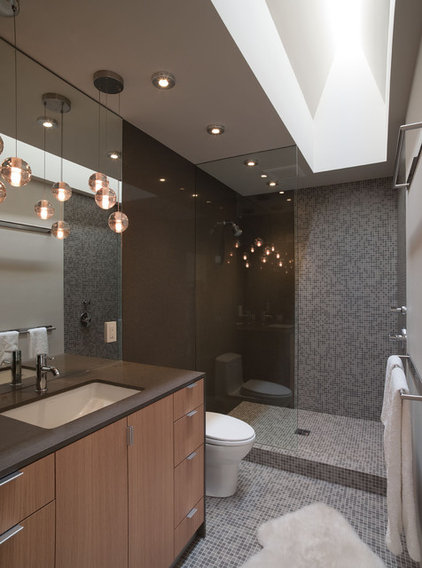
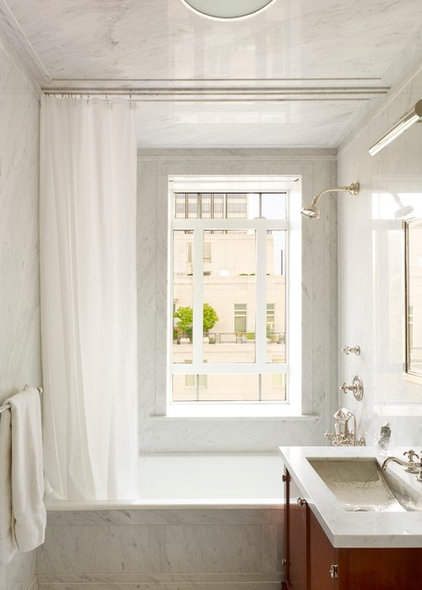
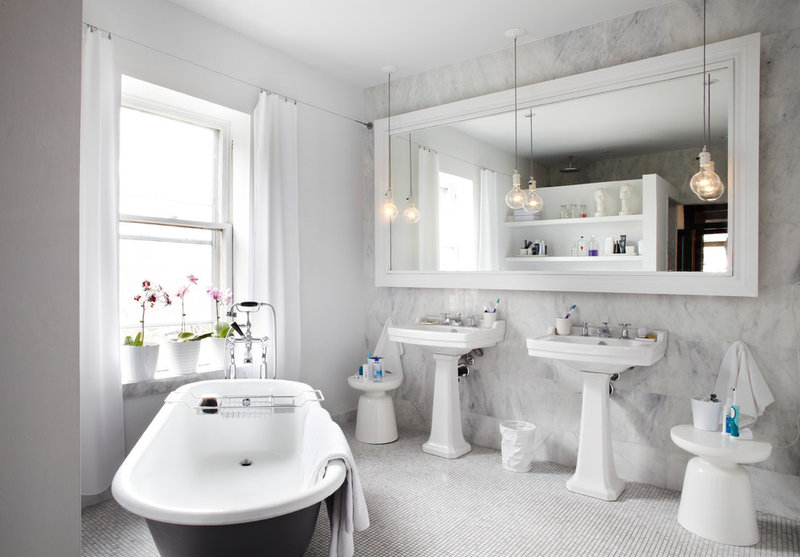
Ever looked at a beautiful bathroom and wondered what takes its design to the next level? You’re not alone. Many homeowners want to know how some bathrooms get that mysterious designer je ne sais quoi. I’ll let you in on a few secrets. Because the overall material costs are low in a small space like a bathroom, it’s a great place to spurge a little on a few features. But it also helps to know where to spend and where to save. Here are a few of my favorite tricks for getting a nicely finished look for a lower cost.

Best big-city bargains | #BedfordCorners Real Estate

For your next home to be a good deal, it must be priced right today and show potential for appreciation tomorrow. Plus—oh, yeah—you have to want to live there.

To create this list of best-value big-city neighborhoods, we ranked places with over 500,000 in population on housing affordability, economic strength, home price forecasts, and livability using data from NeighborhoodScout, OnBoard Informatics, and CoreLogic. Then we looked for promising, well-priced neighborhoods in our top locales.

1. Charlotte, N.C.

View gallery

.

Photograph by Lissa Gotwals

Photograph by Lissa Gotwals

POPULATION: 777,310
MEDIAN HOME PRICE: $164,100
AVERAGE PROPERTY TAX: $2,450
MEDIAN FAMILY INCOME: $63,500
PROJECTED FIVE-YEAR JOB GROWTH: 6.5%

Neighborhood: Plaza Midwood

Just 10 minutes by car from the center of Charlotte, this artsy, bike-friendly neighborhood is an interesting mix of the gritty and the pretty: You’ll see tattoo parlors alongside antiques shops and beautiful historic architecture. Plaza Midwood features new businesses, such as a two-story Harris Teeter grocery store, plus popular restaurants like the Midwood Smokehouse barbecue joint.

Housing is a mix of standalone homes and new condos. Bigger, fancier houses run about $350,000, while smaller places will cost you about $200,000. “The area has held its value well over the years, even in the downturn of the market,” says local Realtor Leigh Bryant. (One caveat: Homeowners in designated historic areas must get approval for alterations ranging from replacing windows to removing shrubbery.)

Drawing the community together is a year-round calendar of public events, including concerts, road races, and a candlelight house tour. Says neighborhood association president Adam Richman: “We’re very diverse but tight-knit.”

Neighborhood: Mountain Island Lake

This low-density region 20 minutes north of the city center—known for outdoor activities and its eponymous lake—is rated one of the most family-friendly neighborhoods in the state by real estate data firm NeighborhoodScout. Convenient to the soon-to-be-completed I-485 beltway, Mountain Island Lake features pretty, spacious homes.

Housing associations within the area, such as Riverbend, provide community pools and parks, and the nearby 1,350-acre Latta Plantation Nature Preserve offers 16 miles of horse and hiking trails.

For those who want “more home” for a lower price, says local Realtor Francine Dupont, Mountain Island Lake is a thrifty alternative to Ballantyne, a southern Charlotte neighborhood often touted as the city’s most family-oriented. Home prices in the Mountain Island Lake area start around $150,000.

2. Phoenix, Ariz.

View gallery

.

Photograph by Mark Peterman

Photograph by Mark Peterman

POPULATION: 1,511,870
MEDIAN HOME PRICE: $199,100
AVERAGE PROPERTY TAX: $1,330
MEDIAN FAMILY INCOME: $56,800
PROJECTED FIVE-YEAR JOB GROWTH: 6.0%

Neighborhood: Arcadia Lite

Residents of this eastern Phoenix neighborhood enjoy the ambiance and amenities of adjacent Arcadia— one of Phoenix’s most expensive neighborhoods—at a fraction of the price, thanks in part to smaller lot sizes. Living in 1950s and 1960s ranch-style homes, residents rave about the Arcadia area’s restaurants and stores, like La Grande Orange Grocery, with its coffee bar and pizzeria.

Other perks are bike trails and, just blocks away, Camelback Mountain, where hikers can savor magnificent views. “We love the quiet neighborhood and seeing the great palm trees that line our way home,” says Lindsey Werk, who, with her husband, Evan, just moved here from Cincinnati.

Real estate agent Stephen Caniglia has a house under contract with a buyer who plans to modernize the home—part of an ongoing trend in the area of renovations and teardowns. Unrenovated, smaller homes—about 1,300 square feet—start at around $250,000, he says.

Neighborhood: Desert Ridge

Built in 1996 as the first part of a large planned community, the area that locals often call “Desert Ridge Original” is a family-friendly oasis in northeastern Phoenix.

One of its draws is its accessibility; Desert Ridge sits near the inter­section of two of Phoenix’s major freeways, 101 and 51. Other selling points are the public schools, the nature trails running through the community, and 10-acre Cashman Park, which just got a $500,000 face-lift.

Nearby are Desert Ridge Market­place, a major retail and entertainment center, and the new Mayo Clinic Hospital.

Kristi Jacques and her husband bought a home in Desert Ridge Original two years ago. Now expecting their third child, the couple have traded up to a bigger home a few blocks away. “We love our neighbors,” says Jacques, “and our kids love their school and Cashman Park.” David Tucker, a real estate agent who lives in Desert Ridge, says you can get a 1,500- to 2,200-square-foot home for less than $400,000.

3. Fort Worth, Texas

View gallery

.

Photograph by Elizabeth Girvan

Photograph by Elizabeth Girvan

POPULATION: 783,770
MEDIAN HOME PRICE: $120,600
AVERAGE PROPERTY TAX: $3,560
MEDIAN FAMILY INCOME: $59,800
PROJECTED FIVE-YEAR JOB GROWTH: 6.2%

Neighborhood: Near Southside

Historic homes and the convenient downtown location give this resurgent neighborhood its appeal. Houses and commercial spaces dating from the 1920s and 1930s are being rehabbed, and new condominiums, apartments, and offices are going up in vacant lots. The result: an urban village smack in the middle of a city experiencing above-average growth.

The main drag, West Magnolia Avenue, is home to a mix of locally owned restaurants, bars, coffee shops, boutiques, and live music and theater venues. Residents can jump on one of the new B-Cycle shared bikes and take a 15-minute ride to downtown Fort Worth.

The more-established Berkeley Place and Mistletoe Heights rank as the pricier areas, says realtor Will Northern, but in transitioning Fairmount and Ryan Place, both of which are south of Magnolia, a fixer-upper can be found for $175,000, or an already renovated bungalow for $275,000 or more.

Neighborhood: Ridglea Hills

Southwest of downtown, this older neighborhood combines quality of life and good public schools at a lower cost of entry than that of nearby Tanglewood, where demand has driven home prices up past $400,000. In recent years, residents have held a Halloween party for kids and a Fourth of July picnic, reports longtime resident Julie Miers. “Our neighborhood has really gotten revitalized with participation from the young families moving in,” she says.

Homes, predominantly brick, sit on large lots among rolling hills, and prices start around $175,000, says realtor Gaye Reed. Prices can be three times that for houses near the private Ridglea Country Club or the small, centrally located Luther Lake. Shops and restaurants lie on the border. Close by Ridglea Hills is access to Trinity Trails, Fort Worth’s network of cycling/walking paths; downtown Fort Worth, with its performance hall and lively nightlife, is a 15-minute drive away.


read more…


http://finance.yahoo.com/news/best-big-city-bargains-140451626.html