Monthly Archives: September 2013

How to Use the New Facebook Insights | Pound Ridge Realtor

Do you rely on Facebook Insights to track the performance of your Facebook page?

Are you wondering how the new Insights can help you refine your Facebook activities?

In this article, I’ll give you a tour of the new Facebook Insights and the data you’ll find there, so you’re better equipped to support your marketing goals with Facebook.

What’s New With Facebook Insights?

Facebook Insights has long been valued by successful marketers as a source of data that can help drive strategic marketing decisions. Until recently, the bulk of that valuable data was accessible only through the export of clumsy, difficult-to-navigate spreadsheet files that often buried key metrics.

Thankfully, Facebook has refreshed the web version of Insights to bring you clear data sets that are presented in easier-to-navigate graphs that are highly dynamic and customizable. New features include:

  • Benchmarking
  • Easy start and end date slider
  • When your fans are online feature
  • Best post types feature
  • Comparisons vs. general Facebook audience
  • Advanced filtering
  • Addition of Post Clicks stat

Keep reading to discover more…

Access the New Insights

view insights in admin panel

Access the new Insights from within your admin panel.

From your admin panel, the Insights box is located next to the Get More Likes box. If it looks like the example above, you have the new Insights. Click on See All to launch the Overview.

If it looks like it used to a month or more back, you don’t have it yet. Patience! You’ll get it soon. In the meantime, here’s what you can expect…

Explore the New Overview Tab

Immediately upon arriving at the new Insights, you’ll get an updated Overview screen. This is Facebook’s way of showing you as much data as they can at one time.

The new Insights are broken down into the following tabbed sections:

  • Overview
  • Page
  • Posts
  • People

The Overview tab of Facebook Insights summarizes what’s going on with your page.

You’ll recall the old Insights had an Overview screen as well. Now, new graphs represent snapshots of your Page Likes growth, Post Reach and Engagement. The most recent posts are still found at the bottom of the screen.

If you aren’t sure what a data set refers to, hover over the title and a definition will pop up.

Hover over People Engaged to get a definition of the data segment.

The definition of an Engaged User has long been confusing to page admins. Many have incorrectly assumed that an engaged user is anyone who likes, comments on or shares a post. In reality, it includes any click at all.

Facebook Insights now clarifies this and breaks the stat into Post Clicks (see below) and Comments, Likes and Shares only (we’ll see this later).


read more…


http://www.socialmediaexaminer.com/new-facebook-insights/

10 Stylish Options for Shower Enclosures | North Salem Real Estate

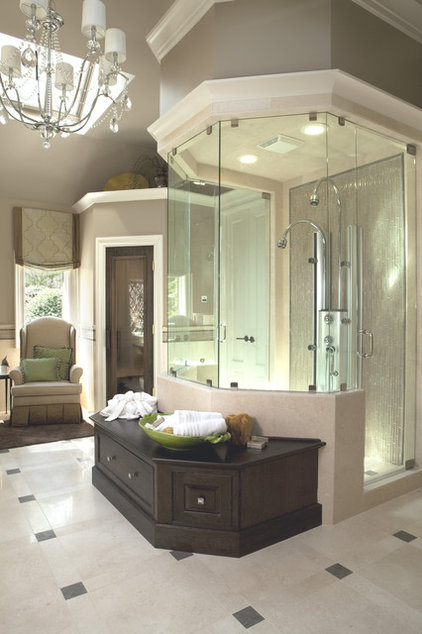
A shower is one of the first things you notice when you step into a bathroom, so make sure your enclosure not only matches your style but also accentuates your bathroom.
We’ve all seen or lived in a home with the ever-so-famous enclosure framed in polished brass, but there are tons of other options with which to surround your shower. Whether you go for framed or frameless, or with no enclosure at all, choose your style wisely.

traditional bathroom by Specialty Tile Products

Add to ideabook
1. Frameless glass shower enclosure. This is a very popular option right now because of its flexibility; a frameless glass enclosure lends itself to any style, whether it’s a clean, sleek design that appeals to modern tastes or a simple and understated one with an elegant and classic look.
The glass itself is fairly easy to clean and maintain; it’s even more so if you get glass with a finish baked on that repels soap scum and water spots. Overall, frameless glass is a great way to showcase your shower.
modern bathroom by Robert Nebolon Architects

Add to ideabook
2. Aluminum and glass shower enclosure. Need a little something more to spruce up your shower? Don’t be afraid to be unique and try a shower surround that has flair. Created with glass panels set into an aluminum frame, this shower enclosure mimics the look of the tile in the back of the shower. The dark metal mixed with the clear glass gives the enclosure an eclectic feel.
traditional bathroom by J Allen Smith Design/Build

Add to ideabook
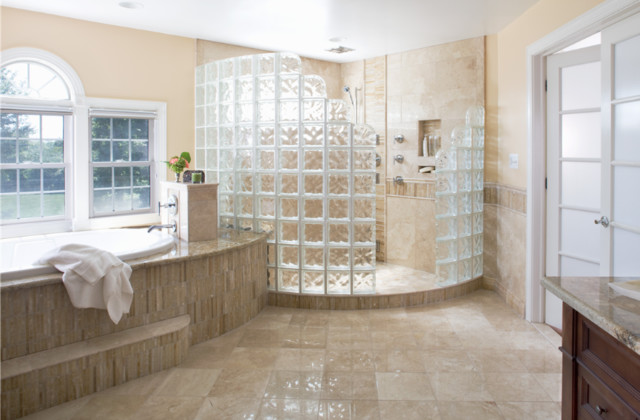
3. Glass block shower enclosure. Eliminate the need for a door with a glass block enclosure. Glass block surrounds are versatile, and there are textured patterns on the blocks themselves. They have strong lines and give your bathroom a clean, cool look.
The options are virtually limitless with glass blocks. You can find different block styles, thicknesses and even colors.

Credit Unions Grow Mortgage Business | Bedford Real Estate

Credit unions continued to steal market share from other mortgage lenders, originating 2.5 percent more first lien mortgages in the second quarter than the first and growing 5.6 percent over the same period last year.

First mortgage real estate loans rose to $253.8 billion, up 2.1 percent for the quarter and 5.6 percent year-over-year, the National Credit Union Administration reported yesterday.

Virtually all of the mortgage business was underwritten by larger credit unions, which are responsible for most of the growth during the quarter.

“Although the industry is performing well overall, smaller credit unions continue to face challenges with making loans, generating earnings and attracting members,” said NCUA Board Chairman Debbie Matz. “NCUA is committed to providing assistance and support to ensure the viability of small credit unions so they can continue to serve local communities.”

“The increases in lending, net worth and membership are especially positive signs,”. “The brisk loan growth shows that federally insured credit unions are meeting the needs of more borrowers and putting their assets to productive use. The net worth ratio rose to 10.5 percent, its highest level since 2008. Credit union membership continues to reach a new milestone each quarter.”

Membership in federally insured credit unions reached 95.2 million, a record high, in the second quarter of 2013. Membership grew by 560,670, or 0.6 percent. Nearly 2.1 million Americans have joined a credit union in the last four quarters.

While adding members, the number of federally insured credit unions dipped to 6,681, a drop of 72. The decrease is consistent with recent trends, as most consolidations were voluntary mergers.

Federally insured credit unions reported $613.7 billion in total loans in the second quarter of 2013, an increase of $13.8 billion over the previous quarter.

The industry’s net worth ratio stood at 10.5 percent of assets at the end of the second quarter, up 34 basis points from the end of the second quarter of 2012. The ratio is at its highest level since the fourth quarter of 2008.


read more…


http://www.realestateeconomywatch.com/2013/08/credit-unions-move-into-mortgages/

Despite rising home values, millions still underwater | Cross River Real Estate

According to CNBC, three million homeowners rose above water on their mortgages this year, creating more positive equity and stability in the markets. The publication has more:

“Widespread rising home values during the past year have helped chip away at negative equity nationwide, helping many homeowners who were only modestly underwater to come up for air. For those homeowners who are deeply underwater, though, there is still a long row to hoe,” said Zillow Chief Economist Stan Humphries.

                    Source: CNBC

Why Promoting on the Facebook Timeline is Good and Bad | Bedford Hills Real Estate

Facebook has made another change to how you can market on Facebook.Why Promoting on the Facebook Timeline is Good and Bad

Is this good news or not?

A couple of years ago, they decided to forbid running promotions directly on  the page and made the use of a third party app mandatory. This restriction is  now gone.  You can now run a promotion without using a third party  app.

There are still rules though, and not everything can be done. Nonetheless,  this can be a good option in some instances, or a very poor one in others.

Let’s review the pros and cons of this new possibility.

#1. The good part

So what you can do when  running a promotion on  your timeline and  why can it be a good option?

The new terms  of service and the accompanying FAQ they have put together are pretty clear about what you  can do:

  • You don’t HAVE to use a  third party app anymore to run a promotion on your page (you still can, but it  is not mandatory)
  • If you run your promotion  directly on your page, entries to the promotion can be made by either posting on  the page, liking or commenting a page post, or messaging the page.

If you have a small audience and want to offer a prize, it’s now super  simple:

  1. Post to your page that  people may just “post” or “message” the page or “like” or “comment” a post of the page
  2. Tell them you’ll pick a  winner among the ones who have done so

Super fast, super easy and free!

You can even pay for ads and get the concerned post displayed to more people  than your usual organic reach (between 5 and 50% of your fans). The ad part is probably the main  motivation for Facebook to change its rules by the way, but that’s a different  story.

A good example would be the following:

  • You have a small business  and a couple thousand fans and you are launching a new product
  • You want your fans and the  world to know about it
  • At the same time you want  to engage with the announcement
  • Create a post announcing  the launch
  • include a nice picture  and ask your fans to find a name for the new product using the comments on the  post
  • Pick the name you like  among the comments and you have a winner.


Read more…


http://www.jeffbullas.com/2013/09/02/why-promoting-on-the-facebook-timeline-is-good-and-bad/#kxXoFfoBSdZTxRTl.99

Buy This $35M Palm Beacher For Florida’s ‘Favorable’ Taxes | Waccabuc Real Estate

18 images

Either whomever wrote this property listing is absolutely clueless, or they’ve really got to learn a few things about being discreet because nothing says “Hey let’s audit this guy” like buying a really expensive house with a listing which features “Florida’s favorable tax climate” more prominently than bedroom count or square footage. Fitting to the theme, the house even looks like it should be in a tropical tax haven with its island decor. But besides all that gauche money talk that (we imagine) would never leave the mouth of a true Palm Beach blue blood, the $35 million house has its advantages, including eight bedrooms, a fifty foot pool, gorgeous lake views, yacht dockage, and a location in the absolute center of town. You could walk to Worth Avenue, to the beach, to the Breakers, and to the Everglades Club! (if they let you in…) · 445 Antigua Lane, Palm Beach [StreetEasy]


read more…


http://miami.curbed.com/archives/2013/08/29/buy-this-35m-palm-beacher-for-floridas-favorable-taxes.php


How to Insulate a Slab Foundation | South Salem Homes

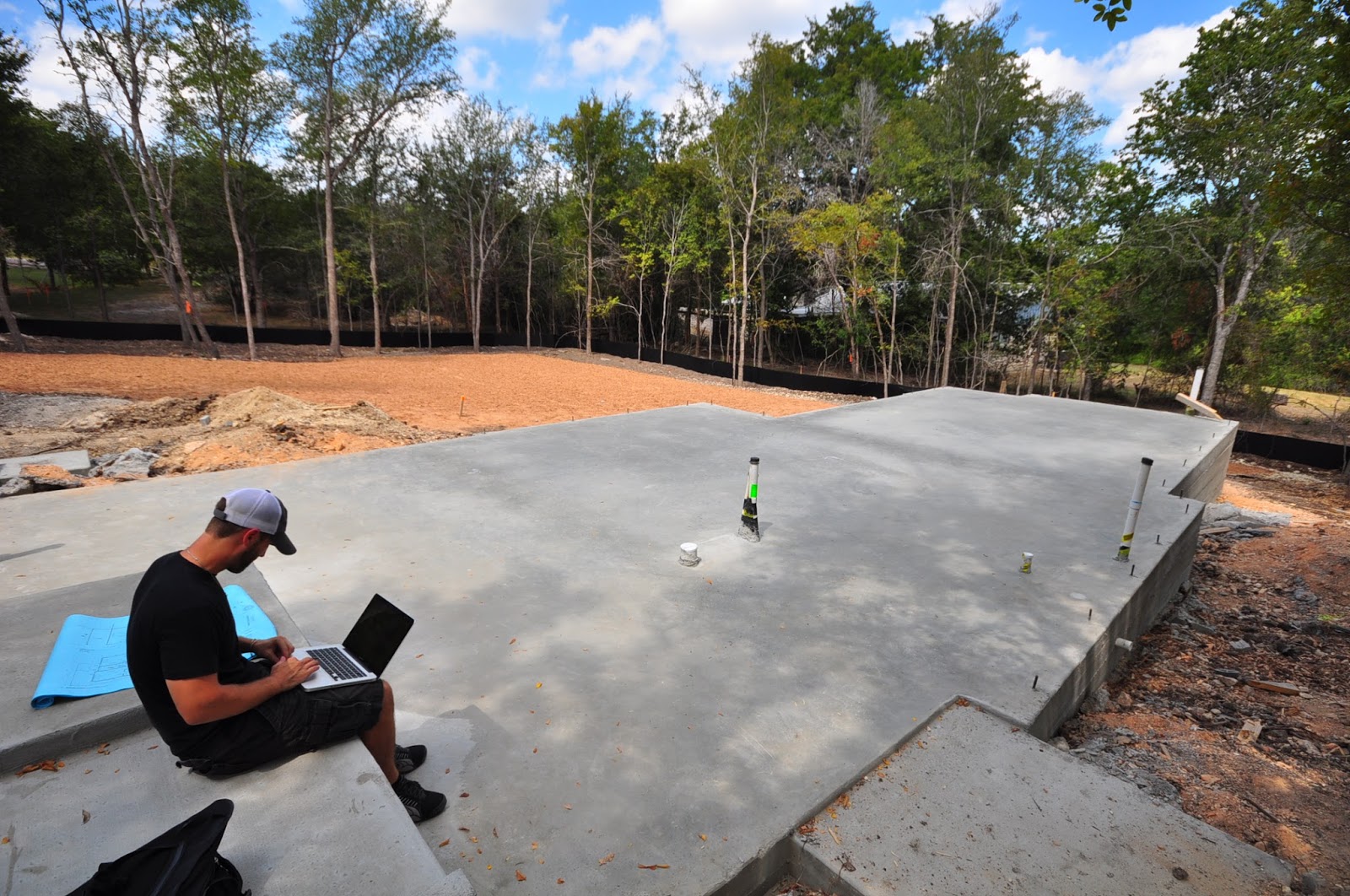
In Texas where I build the most common foundation type is Slab on Grade. In effect, we pour a big rock of concrete on top of the ground (also mainly rock) then build a house on top.


My Project Manager Ryan on top of this newly poured Slab Foundation.

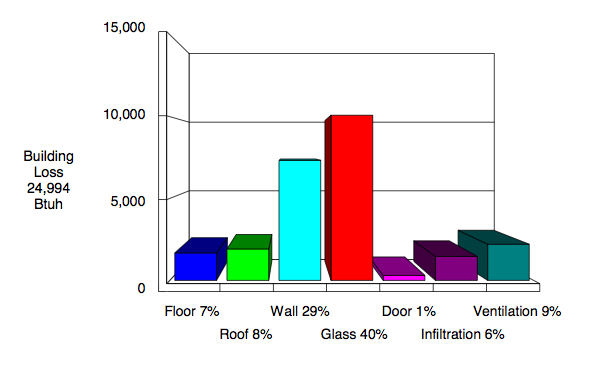
I just completed my first house with Perimeter Slab Edge Insulation and I thought I’d walk you through the process. First, let’s talk about why to insulate the slab. As we build tighter and better insulated houses the uninsulated slab becomes more of a heat loss in the winter time for these High Performance Homes. Check out this Manual J energy loss chart from a house we remodeled recently.

Check out the BTU loss through the un-insulated concrete slab on this house.

The chart above is from a house with R-19 walls, and an R-40 roof. As we build better that slab becomes a larger % of the loss of heat!

This is for a house with an R-11 Insulated Slab.

Now look at this chart with a house with similar specs for walls/roof but it has an R-11 Perimeter insulated slab. Big difference! As a percentage of heat loss the floor went way down compared to the un-insulated slab house.

So, let’s look at the mechanics of actually insulated the slab. One of our first concerns for this process is Termites! Adding foam to the outside of a slab is a big no-no in Termite country. First, we used Borate impregnated foam from Nisus Corporation. I’ve been using their Bora-Care on my framing lumber for about 10 years now, but I only recently realized they make a termite resistant foam aptly called Bora-Foam. Our local Termimesh dealer sourced it for me and did the install.

I want to thank Joel Roeling from Termimesh for his help in this project. Also want to extend a big thanks to my Energy Rater/Tester Kristof Irwin of Positive Energy here in Austin, TX. His modeling really helps us decide what approaches will yield benefits long term for the houses I build. Last, but certainly not least was the amazing Architect/Client on this house Scott Ginder of Dick Clark & Associates. Scott and his wife Andrea are wonderful clients and it was such a pleasure to build this beautiful high performance home with them!  Here’s some detail photos but be sure to watch the video too.


read more…


http://www.finehomebuilding.com/item/31642/how-to-insulate-a-slab-foundation


CoreLogic: Prices to Rise 12.3 Percent in August | Katonah Real Estate

The housing recovery will keep rolling right along   through August as price increases continue to score in the double digit range   and rise for the 18th straight month, according to CoreLogic’s   pending sales index.


Home prices   nationwide, including distressed sales, increased 12.4 percent on a year-over-year   basis in July 2013 compared to July 2012. Prices are rising   even faster than they did in the first half of the year, when they averaged   10 percent from January through June.     On a month-over-month basis, including distressed sales, home prices   increased by 1.8 percent in July 2013 compared to June 2013,

Excluding distressed   sales, home prices increased on a year-over-year basis by 11.4 percent in   July 2013 compared to July 2012. On a month-over-month basis, excluding   distressed sales, home prices increased 1.7 percent in July 2013 compared to   June 2013. Distressed sales include short sales and real estate owned (REO)   transactions.

The CoreLogic Pending   HPI indicates that August 2013 home prices, including distressed sales, are   expected to rise by 12.3 percent on a year-over-year basis from August 2012   and rise by 0.4 percent on a month-over-month basis from July 2013. Excluding   distressed sales, August 2013 home prices are poised to rise 12.2 percent   year over year from August 2012 and by 1.2 percent month over month from July   2013. The CoreLogic Pending HPI is a proprietary and exclusive metric that   provides the most current indication of trends in home prices. It is based on   Multiple Listing Service (MLS) data that measure price changes for the most   recent month.

“Home prices   continued to surge in July,” said Dr. Mark Fleming, chief economist for   CoreLogic. “Looking ahead to the second half of the year, price growth   is expected to slow as seasonal demand wanes and higher mortgage rates have a   marginal impact on home purchase demand.”

“Home prices   continue to climb across the nation in July with markets hit hardest during   the downturn leading the way,” said Anand Nallathambi, president and CEO   of CoreLogic. “Nationally, home prices are now within 18 percent of   their peak levels reached in April of 2006.”

Highlights   as of July 2013:

  • Including        distressed sales, the five states with the highest home price        appreciation were: Nevada (+27 percent), California (+23.2 percent),        Arizona (+17 percent), Wyoming (+16.4 percent) and Oregon (+15 percent).
  • Including        distressed sales, this month only one state posted home price        depreciation: Delaware (-1.3 percent).
  • Excluding        distressed sales, the five states with the highest home price        appreciation were: Nevada (+24.2 percent), California (+20.2 percent),        Arizona (+14.9 percent), Utah (+13.5 percent) and Florida (+13.5        percent).
  • Excluding        distressed sales, no states posted home price depreciation in July.
  • Including        distressed transactions, the peak-to-current change in the national HPI        (from April 2006 to July 2013) was -17.6 percent. Excluding distressed        transactions, the peak-to-current change in the HPI for the same period        was -12.9 percent.
  • The        five states with the largest peak-to-current declines, including        distressed transactions, were Nevada (-43 percent), Florida (-37.4        percent), Arizona (-32.5 percent), Rhode Island (-29.7 percent) and        Michigan (-27.7 percent).
  • Of        the top 100 Core Based Statistical Areas (CBSAs) measured by population,        99 were showing year-over-year increases in July, equaling the measure        in June 2013.

*June data was   revised. Revisions with public records data are standard, and to ensure   accuracy, CoreLogic incorporates the newly released public data to provide   updated results.

July HPI for the   Country’s Largest CBSAs by Population (Ranked by Single-Family Including   Distressed):

CBSA

July 2013     12-Month HPI

Change by     CBSA

Single-Family     Including Distressed

Single-Family     Excluding Distressed

Los     Angeles-Long Beach-Glendale, CA

22.6%

20.1%

Riverside-San     Bernardino-Ontario, CA

22.5%

21.1%

Phoenix-Mesa-Glendale,     AZ

18.1%

15.7%

Atlanta-Sandy     Springs-Marietta, GA

15.6%

13.7%

Houston-Sugar     Land-Baytown, TX

11.1%

11.9%

Dallas-Plano-Irving,     TX

10.0%

10.7%

Washington-Arlington-Alexandria,     DC-VA-MD-WV

9.1%

9.0%

Chicago-Joliet-Naperville,     IL

8.6%

10.7%

New     York-White Plains-Wayne, NY-NJ

7.8%

8.2%

Philadelphia,     PA

4.3%

4.8%

Source:   CoreLogic.


read more….


http://www.realestateeconomywatch.com/2013/09/corelogic-prices-to-rise-123-percent-in-august/


Bedford NY Real Estate Under $999k sales up 20% | Median price Up 1.6% | RobReportBlog

Bedford   NY Real Estate Under $1 Mill ReportRobReportBlog
20136 months ending 9/42012
71Sales59Up 20%
$620,000.00median sold price$610,000.00Up 1.60%
$170,000.00low sold price$263,000.00
$950,000.00high sold price$995,000.00
2177average size2374
$289.00ave. price per foot$259.00
160ave. days on market179
$604,401.00average sold price$598,262.00
95.12%ave sold to ask95.32%

HARP refinancings dip in second quarter | South Salem Real Estate

Higher mortgage rates caused refinance volumes to edge down in the second quarter as fewer homeowners filed refi applications.

When compared to the two prior periods, 2Q refinance volumes fell slightly, according to the latest housing agency refinance data from the Federal Housing Finance Agency.

In the second quarter, 279,933 Fannie Mae and Freddie Mac mortgages refinanced through the government’s Home Affordable Refinance Program (HARP), representing 22% of total refinance volume.

The slight drop in refi volumes occurred as mortgage rates rose sharply to 4.07% in June, up from 3.57% in March.

The total number of HARP refinances from the inception of the program to now totals 2.65 million.

Market analysts expect the trend to continue, as mortgage rates are likely to trend higher once the Federal Reserve begins scaling back its monetary stimulus.

“I think once rates begin their return to normalcy as the Fed starts to taper, refinance demand is likely to further decline,” explained Royal Bank of Scotland (RBS) markets and international banking analyst Sarah Hu.

She added, “The tapering of refinance activity may have already occurred as evidenced in this week’s refinance index (< 2000), the lowest since Jan 2011.”

On a similar note, Compass Point Research & Trade analyst Kevin Barker noted that HARP refinance volumes will remain under pressure given the higher rates.

“If borrowers have less of incentive to refinance at higher levels, it’s going to effect volumes and how aggressively originators will target HARP borrowers,” Barker stated.

He continued, “I would point out that the drop in refi activity compared to HARP volumes will be relatively less because they’ll be more resilient to rates.”

Of the loans that refinanced through HARP in the second quarter, 19% had a loan-to-value ratio greater than 125%.

While taking a look at year-to-date figures through June, 18% of HARP refinances for underwater borrowers were for shorter-term 15- and 20-year mortgages, building equity faster than traditional 30-year mortgages.

In Nevada and Florida, markets that analysts have been keeping an eye on since the recovery began, HARP refinances represented 59% and 50% of total refinances, respectively. This is more than double the 21% of total refinances throughout the country over the same time period.

Underwater borrowers accounted for a large portion of HARP refinances in a number states, representing more than 61% of HARP volume in Nevada, Arizona and Florida.

From the program’s inception through June, 2.34 million loans refinanced through HARP were for primary residences, 78,756 were for second homes and 307,272 were tied to investment properties.


read more…


http://www.housingwire.com/articles/26598-harp-refinancings-dip-in-second-quarter