Category Archives: South Salem

Mastering the new real estate rules | South Salem Real Estate

The housing market is getting hot—and that is changing the game for both home buyers and sellers.

In many cities, including those hard hit by the downturn, bidding wars are breaking out and winning offers often exceed the asking the price. A relatively low inventory of homes for sale is feeding the scramble.

Existing-home sales were up 13% in May compared with the previous year, reports the National Association of Realtors, and the median home price was up 15%, to $208,000, the biggest jump since October 2005. Average home prices for the most recent S&P/Case-Shiller 20-city index were up 12% in April over a year ago.

For first-time buyers and those eager to move up, it could be a good time to buy. Prices still are well below the mid-2000s highs. Interest rates have shot up, but they remain low by historical standards. The average rate on a 30-year fixed-rate mortgage was 4.37% for the week ended Thursday, up from 3.35% in early May, according to Freddie Mac’s weekly survey. Until 2009, rates were above 5% going back to the early 1970s.

[Click to compare mortgage interest rates from multiple lenders now.]

Initially, rising rates could drive potential buyers into the market before mortgage costs climb more. But if rates continue upward, they could help put an end to the boom.

While an active market can be good for both buyers and sellers, a sizzling market poses challenges. In some areas, real-estate agents have been accused of holding back choice homes for sale from the Multiple Listing Service database so they can market them first to their own clients. Bidding wars can leave potential buyers feeling bruised and frustrated. And climbing home prices mean appraisals might come in below the agreed-on price.

Here are some tips for navigating this evolving market:

Cash matters. It helps to have a bundle of cash to get the home you want. Down payments today range from 3.5% for a loan backed by the Federal Housing Administration to as much as 40% for homes over $1 million.

A typical down payment on a regular mortgage is 5% to 10%, says Bob Walters, chief economist at Quicken Loans. Buyers who need a “jumbo” loan—or one bigger than $417,000 or $625,500, depending where you live—might have to put down 20% or more.

If the lender’s appraisal of the home falls short of your purchase price, the buyer and seller must negotiate whether the seller will reduce the price or the buyer will pay the difference in cash—or some combination of the two.

Get prequalified. Mortgage lenders still carefully scrutinize borrowers’ ability to repay their loans, and sellers might be leery of bids that are contingent on getting financing. Potential buyers will be more attractive if they already have qualified for a loan, even in calm markets, like Connecticut, says Terence Beaty, director of the new-homes and land division at Prudential Connecticut Realty, based in Wallingford, Conn.

That means picking a lender and providing pay stubs, bank and brokerage statements and, for those who are self-employed, tax returns. Generally, you will need a credit score of at least 640 to get a mortgage, says Greg Gwizdz, executive vice president at Wells Fargo Home Mortgage, the nation’s largest residential lender—and it will need to be higher if you want the best rates.

 

Mastering the new real estate rules – Yahoo! Homes.

What Really Influences Your Credit Score? | South Salem Real Estate

Your credit report is essentially your financial report card. It serves as a way for banks, insurance and lending companies to gauge your credit-worthiness and whether you’re likely to miss payments or default on a loan. It’s also common for landlords, employers and government agencies to check your credit before approving an application or confirming a transaction.

But, do you know where the information on your credit report comes from and how it impacts your overall credit score? It might help to know the next time you’re tempted to take out another credit card or just pay the minimum on your balance.

Here are the five most important things that make up your credit score:

Payment history: 31 percent

Paying your bills on time helps you avoid late fees and also helps your credit score. A good payment history shows lenders you have a record of paying on time. And the longer you have that, the better. Late or missing payments negatively affect your score, as do any collections, foreclosures or bankruptcies. Payment history usually pulls the most weight in your credit score calculation, so it’s important to stay current in this category.

Level of debt: 30 percent

It’s not a good idea to use up all your credit. By using most of your credit, or getting close to your credit limit, you can negatively impact your score. A good policy is to keep your credit card balance within 30 percent of your limit. In other words, if your credit card limit is $5,000, charging more than $1,500 can be risky even if you pay off the balance on time. Keeping your debt low shows lenders that you’re likely able to afford monthly payments and possibly take on more expenses.

Length of credit history: 15 percent

How well have you managed your credit accounts over time? Having a longer credit history helps your score. Lenders want to see that you’ve kept a good track record over a long period because someone with little or no credit history is more financially risky because it presents more of an unknown. This means that keeping that credit card you’ve had for a while open can help your credit (as long as you keep the balance low or at zero by paying on time every month).

Types of credit: 14 percent

Showing that you have a record of paying different types of debt helps your credit score. And different types of credit or loans can impact your score more or less. A healthy mix of credit includes credit cards, home loans and auto loans. Credit consisting of only one type, such as credit card accounts, won’t help your score, so diversity is important when it comes to credit accounts.

New credit: 10 percent

Having lots of credit inquiries within a short time lowers your score because it shows you’re actively searching for more credit, which makes lenders nervous. However, when you check your own credit or when an employer does, it won’t impact your score.

The major components of your credit score consist of your payment history and amount of debt. By knowing how the items in your credit report are weighted, you’ll have a better idea of the factors impacting your score.


What Really Influences Your Credit Score? | Zillow Blog.

Why are ‘steady’ Central Pa. housing prices lagging behind rest of the nation? | South Salem Real Estate

They say slow and steady wins the race. If that is the case, then the all-but-flat housing prices in Central Pa. should be walking away with the title for most stable housing market. Area realtors insist this is the difference between boom and bust – and it’s a good thing.


But it’s hard not to be envious when one looks at the eye-popping housing price increases being realized at a national level. Consider these statistics, compiled by the National Association of Realtors (NAR):


The national median existing-home price – half the selling prices were higher, half were lower — hit $192,800 in April. That equated to an increase of 11 percent, compared to median national sale price in April 2012.


In May, the median national existing-home price zoomed up again, reaching $208,000, for an increase of 15.4 percent from May 2012. These are the most recent months for which national housing sale price stats were available.


Now, compare that with the just-completed quarterly numbers for Dauphin, Cumberland and Perry counties, as compiled by the Greater Harrisburg Association of Realtors.


Median home sale prices for the three counties did increase in the second quarter – but just barely: A scant 0.1 percent from the second quarter of 2012.


Basically, this means prices here held steady, overall. The median sale price of residential homes was $163,000 over the past three months, compared to the median cost of $162,900 in the second quarter of 2012.


Why are ‘steady’ Central Pa. housing prices lagging behind rest of the nation?: Boom & Bust | PennLive.com.

How to Target Only Your Customers With Facebook | South Salem Realtor

What if you could reach your existing customers while they’re on Facebook?

Does the idea of displaying a Facebook ad only to your prospects list sound interesting?

This could give your marketing a boost and help build your brand’s image on Facebook.

In this post, I’ll show you two ways to use Facebook’s Custom Audiences to connect with your customers and prospects on Facebook.

And I’ll also show you how to create and use your first custom audience.

build brand image

How do you build your brand’s image on Facebook?

What’s a Custom Audience?

Your business undoubtedly has a database of customers. You may be using that database to keep email addresses, phone numbers, Facebook user IDs and app user IDs.

You can target the customers on these lists with your Facebook advertising, whether they are your current fans or not.

Instead of agonizing over demographics, precise interests and Partner Category targeting in an effort to reach your ideal audience, all you need to do is upload your customer list to Facebook. Facebook then matches up email addresses, for example, with the email addresses of users on Facebook.

Not all of the email addresses you collect are directly related to an email address of a Facebook user. Facebook tends to match up between 30-50% (sometimes more, sometimes less), depending on the quality of your list.

Once this list is generated in Facebook, you have a Custom Audience you can use in your advertising.

Hottest Digs of June 2013 | South Salem Real Estate

With summer in full swing, Zillow Digs users were inspired to create an oasis fit for a staycation this June. Check out what you and your friends Dug the most:

No. 10

Zillow's Hottest Digs of the Month for June 2013

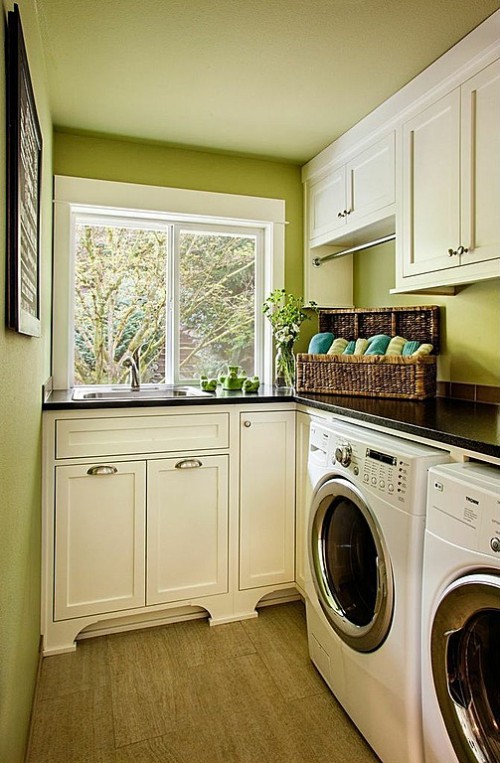
Previously cluttered, this laundry room gets an perky update with a coat of bright green paint.

Zillow Digs User 1

No. 9

Zillow's Hottest Digs of the Month for June 2013

Natural elements, such as this intricate stone backsplash and wood cabinetry, work in tandem to create a kitchen space that feels simultaneously rustic and fresh.

Zillow Digs User 2

No. 8

Zillow's Hottest Digs of the Month for June 2013

It’s a hit! This transitional garden area makes a comeback this month as summer blooms across the nation. When asked to describe this project, Zillow Digs architect Rick McDermott said, “…The homeowners have transformed it into a beautiful lush shade garden.”

Zillow Digs User 3

 No. 7

Zillow's Hottest Digs of the Month for June 2013

Vacation season has arrived and this tropical-inspired bedroom has Zillow Digs users dreaming of their own paradise by the sea.

Zillow Digs User 4

No. 6

Zillow's Hottest Digs of the Month for June 2013

Zillow Digs designer Beth Whitlinger created a seamless flow between this sumptuous marble kitchen and full-size dining area, complete with a window seat for after-diner star gazing!

Zillow Digs User 5

No. 5

Zillow's Hottest Digs of the Month for June 2013

Floor-to-ceiling windows offer an affordable lighting solution during daylight hours, while a medieval-inspired chandelier boosts this living room’s rustic ambiance post-sunset.

Zillow Digs User 6

No. 4

Zillow's Hottest Digs of the Month for June 2013

No need for cheesy Yule Log videos. This dual fireplace/TV wall offers the best of both entertainment worlds.


Hottest Digs of June 2013 | Zillow Blog.

The Real Estate Market Meets the Internet: How Zillow Came to Be (Z) | South Salem Real Estate

The Fool is exploring Seattle. Today, CEO Spencer Rascoff introduces us to Zillow  (NASDAQ: Z  ) , telling us how the online home and real estate marketplace works, what he considers its greatest strengths, and what investors should know about it.


Spencer recounts how the idea for Zillow was born of his time at Expedia, and how far the company has come since then. He also offers some insight on what investors should look for when evaluating any tech company.


The Real Estate Market Meets the Internet: How Zillow Came to Be (Z).

South Salem sales up 7% – Prices down 16% | RobReportBlog

South Salem NY Real Estate ReportRobReportBlog
20136 months ending 7/82012
29Sales27
$500,000.00median sold price$600,000.00
$180,000.00low sold price$185,000.00
$925,000.00high sold price$1,325,000.00
2404average size2688
$237.00ave. price per foot$239.00
211ave days on market254
$546,043.00average sold price$629,575.00
96.26%ave sold to ask94.01%


South Salem sales up 7% – Prices down 16% | RobReportBlog.

5 reasons it’s still a great time to buy a house | South Salem Real Estate

After years of sluggish sales and false starts, the real estate market is on a tear this summer, with prices posting double-digit gains every consecutive month since April.


Prices have increased so much so quickly in some markets that a few experts are already crying “bubble.” There’s no doubt that the bottom has passed.

Tight inventory and climbing prices have created a seller’s market in most places and realtors are reporting bidding wars in the hottest markets — but that doesn’t mean there’s not opportunity out there for home buyers. “Just because it would have been cheaper to buy a home six months ago, doesn’t mean it’s not a good time to buy one now,” says Trulia housing analyst Jed Kolko.


That’s good news for the 68% of renters surveyed in March by JP Morgan Chase, who said they wanted to buy a home. It may be risky in today’s market for home flippers looking to purchase and sell a home quickly for profit. But for those retail buyers who want to buy and live in a house for five or 10 years, here are five reasons to act now:


1. Home prices are still rising

The massive gains seen over the past few months make it easy to forget that housing only bottomed out last year, hitting its lowest level in March 2012. While recent prices increases aren’t sustainable, there’s plenty of room for home values to climb. Even with four months of improvement, prices remain about 26% below their 2006 peaks.


The chief driver of price gains is constrained supply, reflecting modest homebuilder activity; dwindling foreclosures; and continued foot-dragging by potential sellers who are waiting for prices to improve even further. Total housing inventory at the end of May rose 3.3%, to 2.22 million existing homes available for sale, which represents a 5.1 months’ supply at the current sales pace, down from 5.2 months in April, according to the National Association of Realtors. Listed inventory is still 10.1% below a year ago, when there was a 6.5-month supply.


Going forward, price increases will vary by region, while prices nationally are expected to see more modest increases of an annualized 3.9% per year through 2017, according to CoreLogic.


2. Rates are low by historical standards

Rates, currently at about 4.6%, have climbed a full percentage point since May — but they’re still lower than they were just two years ago and far lower than their long-term average of about 8%. “In the history of America, a 30-year mortgage at less than 5% is a gift,” says Mark Dotzour, chief economist at Texas A&M’s Real Estate Center. “It’s not supposed to be that way, and rates are only that low because of extraordinary monetary policy.”


Economists don’t expect the recent surge to continue. The Mortgage Bankers Association predicts rates will remain close to current levels through the end of next year.


5 reasons it’s still a great time to buy a house- MSN Money.

4 Steps to Creating a Top-Ranked Business Podcast | South Salem Realtor

Do you want to create your own business podcast?

Do you have the passion and drive to make it happen, but you’re just not sure where to start?

Keep reading for 4 tips to set you down the path of podcasting success.

Why Podcasting?

Podcasting is a unique tool that allows you to deliver relevant, on-demand and targeted content to a massive, worldwide audience.

What’s special about podcasting beyond its reach is that, unlike any other social platform, it allows you to connect with your audience on a personal, one-on-one level during a time when they are looking for hands-free, audio-only content.

microphone

Podcasting can be a powerful delivery platform in your marketing toolbox. Image source: iStockPhoto.

Pat Flynn of The Smart Passive Income Podcast, who was recently profiled for the success he’s had with his podcast, stated, “I’ve been able to make a much deeper connection with my audience. When I go to conferences, the first thing people who meet me say is, ‘I love listening to your podcast.’”

A podcaster’s ability to create a show that consistently delivers high-quality content to a captive audience, like Flynn does, will determine his or her success.

Here are four steps you can take to set yourself up for podcasting success.

#1: Buy Recording and Editing Equipment

There are a lot of different types of equipment and software out there for recording and editing your podcast. As you can imagine, they range in price from free to really expensive. However, one of the many great things about podcasting is its accessibility—whether you have $100 or $10,000 to spend doesn’t matter.

Here’s what you’ll need to get set up.

A Microphone

One option is to simply use the built-in microphone on your computer to record your podcast. While you will definitely be forfeiting some of your audio quality by going this route, it is possible.

The Logitech ClearChat Headset is a low-cost option ($26.78) and a big step up from your computer’s built-in microphone. This headset will connect straight to your computer via USB.

If you’re not willing to forfeit your audio quality on any level and have some money to spend on a high-quality microphone, the Heil PR-40 is a great option that will cost you just around $300.00. This microphone functions via an XLR connection, not via USB, and thus requires that you also purchase a mixer.

mic shot

The Heil PR-40 is a great choice for a microphone because it delivers high-quality audio every time.

A Mixer

A mixer allows you to manipulate the audio signals, dynamics and frequency of your recording. While a mixer is not a requirement, it is an important piece of equipment to have if you want to provide your audience with high-quality audio.

If you’re going to purchase a mixer, an all-in-one is the way to go. The PreSonus FireStudio Project is a great option and allows you to record audio on two separate tracks, which is a huge benefit if you plan on doing interviews. With this, you cansilence out background noise and easily edit both sides of the interview. The Presonus Firestudio mixer runs around $400.00.

Recording and Editing Software

Recording and editing software is required because this is what actually allows you torecord, edit and convert your audio into an MP3 file.

Much like the microphone equipment, there is a free option and an option that costs money.

  • Free options: Mac users can use GarageBand while Audacity is available for PC users.
  • Paid optionAdobe Audition is a top-notch recording software program that has amazing capabilities. If you do not subscribe to an Adobe software package likeCreative Cloud, then you can check out package options or simply purchase access to Adobe Audition alone for $19.99 per month.


4 Steps to Creating a Top-Ranked Business Podcast | Social Media Examiner.

New Google+ Website Plugins: This Week in Social Media | South Salem Realtor

Welcome to our weekly edition of what’s hot in social media news. To help you stay up to date with social media, here are some of the news items that caught our attention.

What’s New This Week?

Google+ Launches New Plugins for Your Website: Google+ launches “a bunch of new plugins that help visitors to connect with you on Google+, directly from your website.”  There’s an updated Google+ Follow plugin and updated badges for your Google+ Profiles and Pages.  You can now also create a badge for your Google+ Communities.

Check out the updated Google+ Page badges.

LinkedIn Adds the Top Requested Features to Their Mobile App: LinkedIn has “added the top requested features — the ability to search for jobs, companies, groups and people on-the-go. In addition they have added a few tips to help you be more productive from wherever you may be working.”

With LinkedIn mobile, you can now find and discover people, jobs and groups.

Discussion From Our Networking Clubs: Thousands of social media marketers and small business owners are asking questions and helping others in our free Networking Clubs. Here are a few interesting discussions worth highlighting:

How are the Facebook Hashtags going for you so far?

Are you drowning in social media?

Facebook Announces a New Review Policy for Pages and Groups: Facebook will “implement a new review process for determining which Pages and Groups should feature ads alongside their content. This process will expand the scope of Pages and Groups that should be ad-restricted.”

For example, Facebook “will now seek to restrict ads from appearing next to Pages and Groups that contain any violent, graphic or sexual content [content that does not violate (current) community standards]. Prior to this change, a Page selling adult products was eligible to have ads appear on its right-hand side; now there will not be ads displayed next to this type of content.”

Twitter Decides Auto-Follow-Back Is Now Taboo: SocialOomph reports that “Twitter changed their terms of service and outlawed automated following back of people who followed you first.”

Bing Integrates Search Prevalence Into the Klout Score: Klout announces “the official integration of Bing search results into the Klout Score.” This means that “the number of times you are searched for on Bing will now contribute directly to your Klout Score.”


New Google+ Website Plugins: This Week in Social Media | Social Media Examiner.